Brazil has taken decisive legislative action to combat escalating gender-based violence with President Luiz Inácio Lula da Silva enacting robust protective measures for female victims. The newly signed law empowers judges to implement comprehensive safeguards including firearm ownership suspension or restriction, mandatory removal of abusers from shared residences, and enforced no-contact orders.
The legislation introduces electronic monitoring technology requiring offenders to wear ankle bracelets that alert victims through security devices when violators approach prohibited boundaries. Penal enhancements represent another critical component, increasing maximum sentences for child rape under age 14 from 15 to 18 years imprisonment. For cases involving both rape and murder of children, penalties now range from 20 to 40 years incarceration, substantially raising previous sentencing guidelines of 12-30 years.
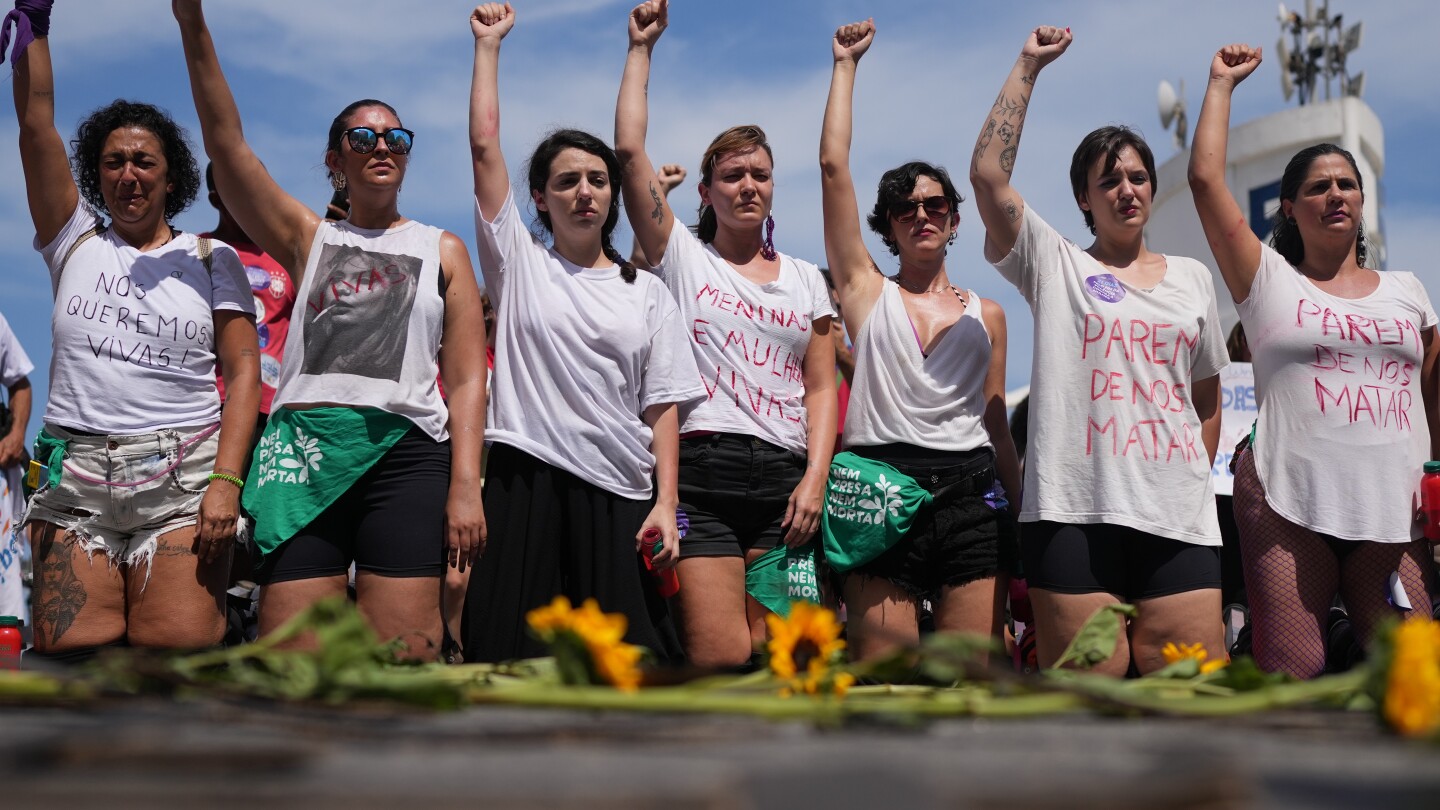
This legal advancement emerges amid national outrage following record-breaking violence statistics and several high-profile cases that triggered mass demonstrations across 90 Brazilian cities. Particularly brutal incidents include Taynara Souza Santos, who suffered traumatic leg amputations after being deliberately run over and dragged by her former partner, and English teacher Catarina Kasten who was raped and strangled en route to a swimming lesson.
While feminist activists acknowledge the legislative progress, they emphasize implementation challenges. Rachel Ripani, protest organizer, noted: “While positively received, these measures risk relegation without sustained public pressure.” Experts including sociologist Isadora Vianna question the efficacy of punitive approaches, advocating instead for preventive strategies like comprehensive sex education and victim support systems.
Critical undercurrents reveal deeper structural issues according to women’s rights activist Tatianny Araújo: “No penal modification can succeed while underlying sexist, misogynistic, and racist frameworks persist.” Recent data from the Brazilian Forum on Public Safety indicates over one-third of women experienced sexual or gender-based violence within a year, with femicide rates reaching historic peaks since record-keeping began.