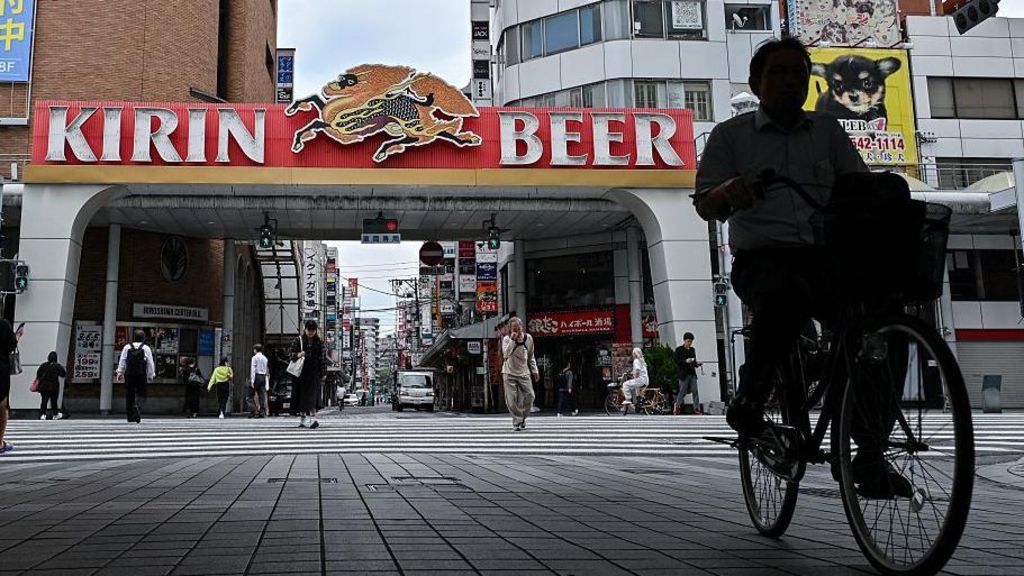
Japanese authorities have implemented a stringent crackdown on alcohol-impaired cycling, resulting in the suspension of driving licenses for nearly 900 individuals caught operating bicycles while intoxicated. According to local media reports, law enforcement officials determined these offenders presented a ‘significant danger’ comparable to drunk car drivers.
The dramatic increase in license suspensions from January to September follows the implementation of revised traffic regulations enacted in November 2024. These laws substantially heightened penalties for cycling under the influence, introducing potential imprisonment of up to three years or fines reaching 500,000 yen (approximately $3,200).
Notably, the legal threshold for punishment has been significantly lowered. Cyclists now face penalties if breath alcohol tests detect concentrations of 0.15 milligrams per liter or higher—a substantial departure from previous standards that primarily penalized visibly impaired cycling ability.
The legislative scope extends beyond individual riders to include those who provide alcohol to cyclists or make bicycles available to potentially intoxicated users. This comprehensive approach reflects authorities’ determination to address what they identify as a serious public safety concern.
Police statistics reveal extensive enforcement efforts, with over 4,500 individuals apprehended for drunk cycling between November 2024 and June 2025. This crackdown occurs against a backdrop of increasing bicycle popularity during the pandemic era, which unfortunately correlated with rising accident rates. Official data indicates bicycles were involved in more than 72,000 accidents throughout 2023, accounting for over 20% of all traffic incidents nationwide.
The regulatory expansion continues with additional rules scheduled for April implementation targeting common cycling infractions. These will penalize behaviors including umbrella use while riding, mobile phone operation, traffic signal violations, and nighttime riding without proper illumination.
This represents a significant cultural shift for Japan, where alcohol has historically served as a social lubricant for business negotiations and delicate discussions for centuries. The new regulations challenge traditional attitudes toward alcohol consumption and transportation safety, creating a new paradigm for personal responsibility in public spaces.