The Mediterranean port city of Marseille is experiencing an unprecedented escalation in drug-related violence characterized by increasingly younger perpetrators and victims. The recent murder of 15-year-old Adel exemplifies the brutality: his charred body was discovered by schoolchildren after being shot execution-style and set ablaze—a now-common method among rival gangs.
France’s Ministry of Justice reports a fourfold increase in teenage involvement in the drug trade over the past eight years. Social media platforms like TikTok have become recruitment tools, with ads offering €250 for lookouts and €500 for drug carriers, while emoji-coded posts advertise narcotics available ‘from 10:00 to midnight’.
Gang members describe a complete breakdown of traditional codes. ‘The Immortal,’ a 20-year-old survivor of four bullet wounds, explains: ‘Nobody respects anything these days. The bosses use youngsters, pay them peanuts, and they end up killing others for no real reason. It’s anarchy.’
The violence reached a tipping point with the murder of Mehdi Kessaci, a 20-year-old police trainee with no gang connections. His brother Ahmed, an anti-gang activist, believes the killing was intended as a warning. ‘There was a time when thugs had a moral code,’ Kessaci reflects. ‘You didn’t kill in daylight, not in front of everyone. Today these steps have disappeared.’
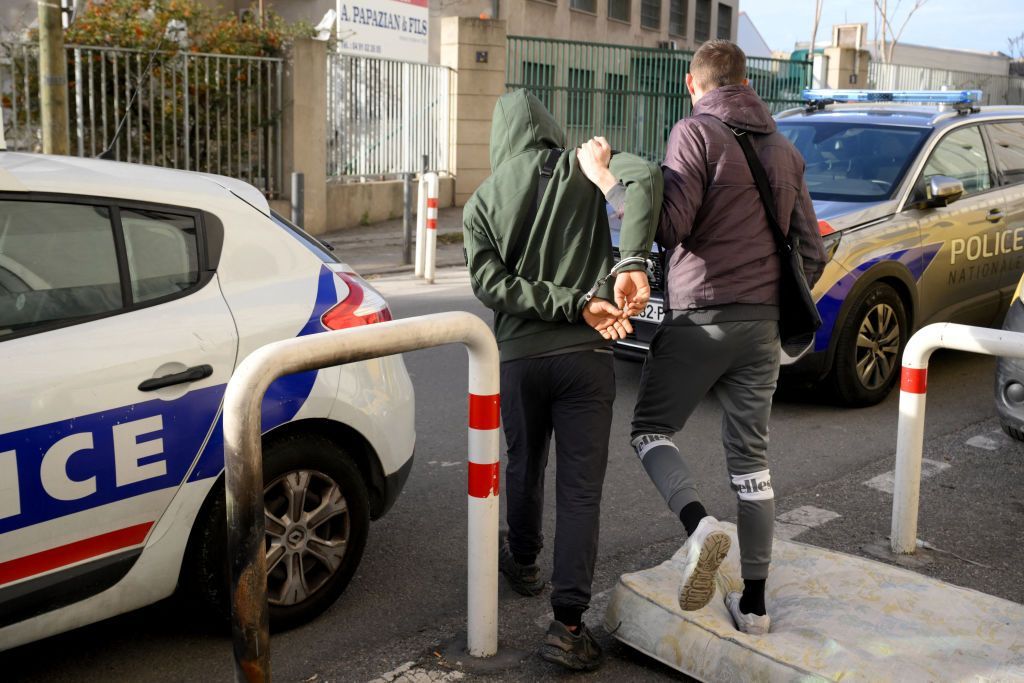
Police respond with ‘security bombardments’—high-intensity raids in problematic neighborhoods. During one operation, officers arrested an 18-year-old who pleaded for protection, claiming he was being held against his will by traffickers. In filthy cellars, police find sophisticated packaging operations for cocaine distribution.
Chief Prosecutor Nicolas Bessone describes an industry worth €7 billion nationally with two alarming developments: online recruitment and sales, and the enslavement of teenage ‘soldiers.’ ‘Traffickers create fictional debts to make them work for free,’ Bessone explains. ‘They torture them if they steal €20 for a sandwich. The average age of perpetrators and victims gets younger each year.’
The crisis has sparked political division. Far-right politicians like National Rally’s Franck Alissio demand tougher immigration controls and a state of emergency, arguing that ‘the number of immigrants is the problem.’ Critics counter that this perspective exploits fear while ignoring the complex socioeconomic roots of the crisis.
Writer Philippe Pujol, now under police protection, argues that entrenched poverty created this ‘monster’ through decades of neglect. ‘These kids can be jerks in a group,’ he observes, ‘but alone they’re still children with dreams who don’t want this violence.’
As community organizers describe a citywide ‘psychosis’ of fear, the fundamental question remains: whether to combat the violence through intensified policing or by addressing the systemic poverty and social exclusion that fuel it.