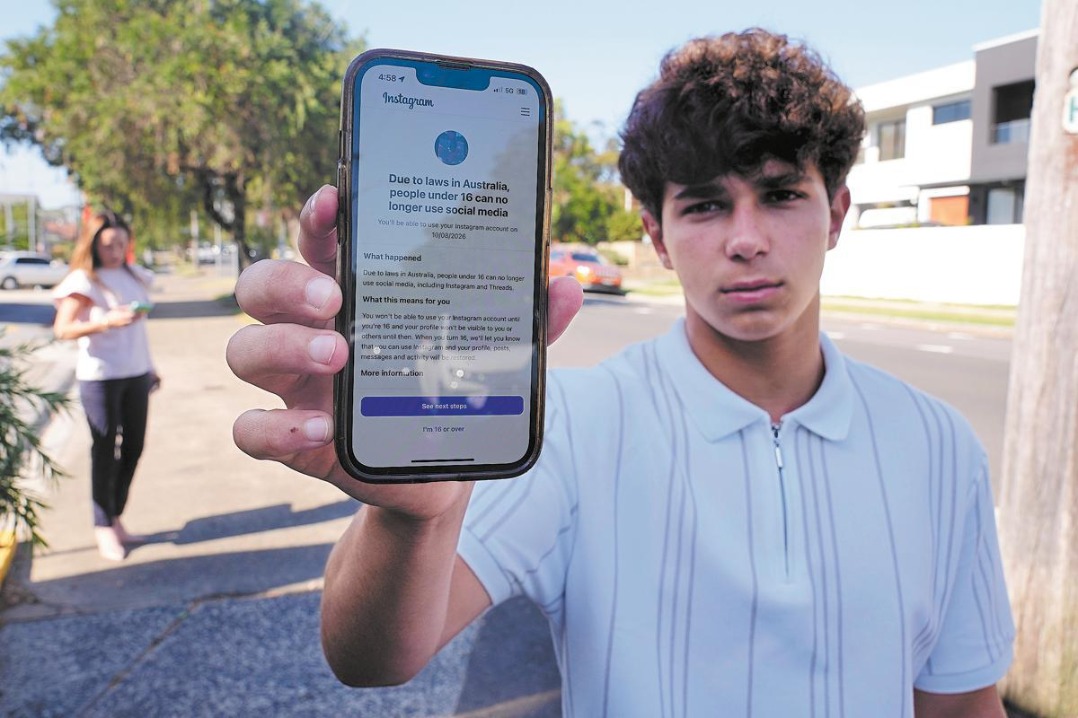
Australia has enacted groundbreaking legislation prohibiting children under 16 from accessing major social media platforms, becoming the first nation to implement such comprehensive restrictions. The historic ban took effect Wednesday, representing a radical shift in digital safety governance and sparking global interest in its potential implications.
Platforms including Instagram, Facebook, Threads, X, Snapchat, Kick, Twitch, TikTok, Reddit and YouTube must now implement stringent age verification measures. Companies failing to prevent underage access face severe penalties reaching A$49.5 million ($32.9 million).
Prime Minister Anthony Albanese hailed the legislation as “world-leading,” emphasizing that “our social media ban is about making sure kids have a childhood.” He acknowledged implementation challenges but stated the initiative was “too important not to give it a crack.”
According to Professor Julian Sefton-Green of Deakin University, the policy primarily targets social media companies rather than users themselves. “The ban is not so much a ban on users, it’s a ban on social media companies acting irresponsibly,” explained Sefton-Green, who serves on the Australian eSafety Commissioner’s advisory group.
The professor characterized the move as a national government asserting authority over foreign-owned platforms’ influence. Comprehensive evaluation will assess impacts on youth wellbeing, family dynamics, social relationships, and information access patterns, though conclusive results may require two to three years of observation.
Platform responses have varied, with TikTok confirming compliance through facial age estimation, credit card authorization, and government ID verification. The company acknowledged these measures “may be upsetting” but necessary for legal compliance.
Critics including Digital Rights Watch’s Tom Sulston warn the ban might drive youth toward unregulated platforms potentially “more dangerous than those they currently know how to use.” Concerns also extend to data privacy, as age verification requires distributing biometric information and identity documents to companies potentially outside Australian jurisdiction.
The Australian model has already inspired similar considerations internationally. New Zealand’s Prime Minister Christopher Luxon expressed deep support, while Malaysia plans to prevent under-16 sign-ups next year. Denmark recently agreed to ban under-15s from social media with parental exemption options, and Germany maintains parental consent requirements for 13-16 year olds.