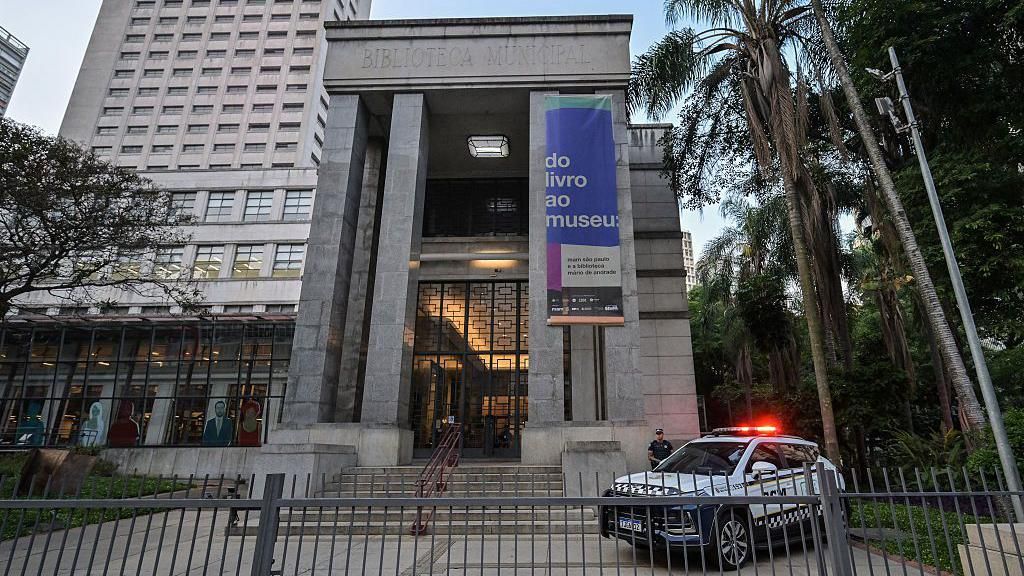
In a brazen daylight robbery, two armed perpetrators executed a meticulously planned art theft at São Paulo’s prestigious Mário de Andrade Library on Sunday morning. The assailants, operating during regular opening hours at approximately 10:00 local time, successfully appropriated eight engravings by French master Henri Matisse alongside at least five works by renowned Brazilian modernist Cândido Portinari.
The thieves entered through the library’s main entrance, immediately subduing both a security guard and an elderly couple visiting the premises. Despite the facility’s advanced security infrastructure—including facial recognition technology—the criminals managed to escape on foot toward the nearby metro station, vanishing before authorities could respond.
This sophisticated operation targeted the ‘From Book to Museum’ exhibition during its final day, a collaborative presentation between the library and the São Paulo Museum of Modern Art. Among the stolen pieces was a particularly valuable Matisse collage created for the limited-edition art book ‘Jazz,’ considered among the artist’s most significant graphic works.
The heist occurs merely weeks after the international art community was shaken by the Louvre jewel theft in Paris, raising concerns about coordinated targeting of cultural institutions. São Paulo’s mayor has confirmed investigators have identified the suspects, though they remain at large as the manhunt continues.
Art valuation experts describe the loss as ‘incalculable,’ noting both artists’ profound influence on 20th century art. Matisse revolutionized modern art through his innovative techniques, while Portinari’s depictions of Brazilian laborers made him a national icon. The stolen Portinari engravings were specially commissioned for José Lins do Rego’s novel ‘Plantation Boy,’ representing unique examples of literary-artistic collaboration.
Cultural authorities have yet to release a comprehensive inventory of missing works as the investigation continues, highlighting ongoing vulnerabilities in even the most technologically secured public institutions.