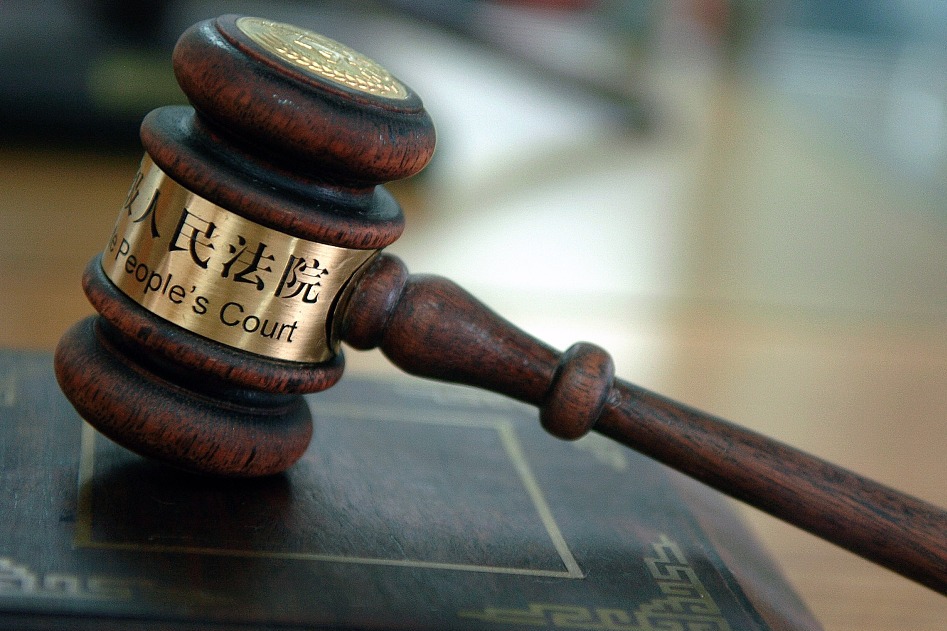
China’s Supreme People’s Court has issued definitive judicial guidance on property management conflicts through the publication of five landmark cases, establishing clear legal boundaries between homeowners and service providers. The move represents a significant judicial intervention aimed at elevating service quality standards and addressing both persistent and emerging challenges within the rapidly evolving property sector.
The court emphasized the critical role of property management in fulfilling citizens’ aspirations for improved living standards, particularly as China’s urban development strategy shifts from rapid expansion to the enhancement of existing residential properties. This transition has positioned community living as a central component of modern urban existence, consequently driving increased public demand for superior living environments, housing quality, and professional property services.
In response to the frequent, widespread, and recurrent nature of disputes between residents and property companies, the Supreme Court has directed nationwide judicial bodies to proactively address public concerns and utilize legal mechanisms to facilitate conflict resolution. One illustrative case involved a homeowner identified only by the surname Zhang, who found himself denied access to his building’s elevator and entry systems due to outstanding property fees. Although Zhang eventually reached a settlement with the management company, he proceeded with legal action to challenge the punitive measures.
Referencing China’s Civil Code, a local court determined that property service providers are expressly prohibited from suspending essential services including electricity, water, heating, or gas to compel fee payments. The judiciary acknowledged homeowners’ contractual obligation to pay agreed-upon fees while recognizing that payment delays and refusals have become commonplace, sometimes prompting companies to employ inappropriate pressure tactics.
The court explicitly stated that restricting access cards or limiting elevator usage for fee collection constitutes improper infringement of homeowners’ property rights. Such approaches lack legal foundation and exceed reasonable boundaries, frequently exacerbating rather than resolving conflicts. Instead, the judiciary emphasized that service providers should employ reasonable communication methods to encourage payment and pursue their legitimate rights through formal channels including mediation, litigation, or arbitration—all without disrupting residents’ daily lives.