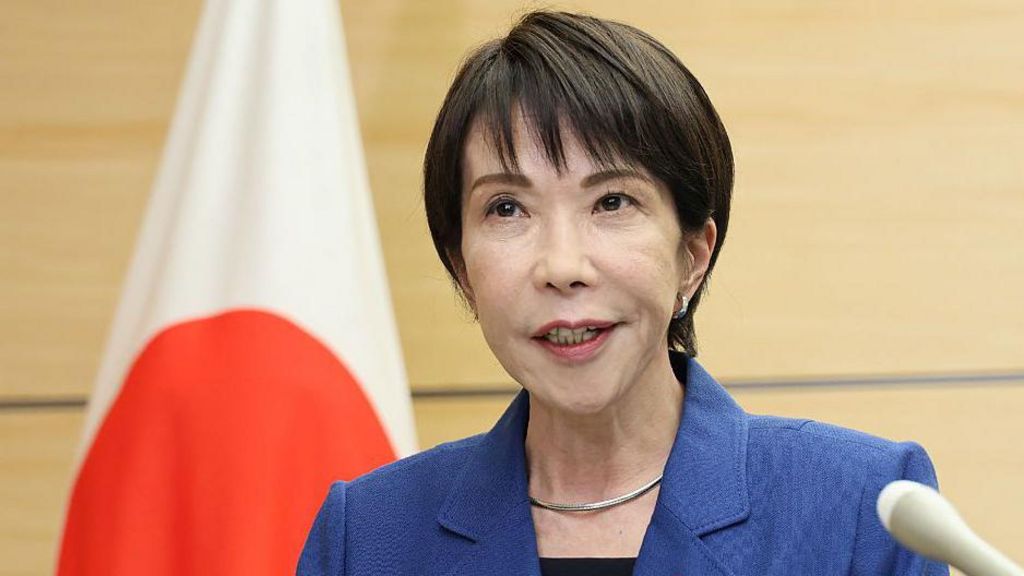
Japan’s political landscape witnessed a historic milestone in October with the election of Sanae Takaichi as the nation’s first female prime minister. While this achievement symbolizes a shattered glass ceiling, it unfolds against a backdrop of deep-rooted gender disparities that continue to challenge Japanese society.
The nation presents a perplexing contradiction: despite boasting one of the highest female labor participation rates among developed economies—surpassing 77% for women aged 15-64, exceeding even the United States—Japan simultaneously ranks a dismal 118th on the World Economic Forum’s Gender Gap Index. This positioning makes it the worst performer among all 38 OECD countries, highlighting a significant disparity between women’s workforce presence and their advancement into leadership roles.
Corporate leadership reveals particularly stark inequalities. Although the government initially set an ambitious target of 30% female representation in leadership positions by 2020, this goal was quietly postponed by a decade when the deadline proved unattainable. Current figures show merely 11.1% of business leadership roles are held by women, underscoring the immense gap between policy aspirations and reality.
Yumiko Murakami, co-founder of Japan’s first female-led venture capital firm MPower Partners, acknowledges the progress in female labor participation while highlighting persistent challenges. ‘Japan has done a really good job increasing female labor market participation,’ she notes, attributing this growth to both economic necessities—driven by an aging population and labor shortages—and policy interventions such as reducing nursery waiting lists to facilitate mothers’ return to work.
However, significant obstacles remain. A 2024 government survey revealed that Japanese women earn only 70-80% of their male counterparts’ wages, a disparity that extends into the entrepreneurial ecosystem. Murakami’s WPower fund, half-funded by the Tokyo Metropolitan Government, focuses exclusively on supporting female founders and women-empowerment businesses to address the capital access gap.
The venture capital environment itself presents barriers. Murakami describes Japan’s VC community as a ‘clubby male environment’ where insiders enjoy privileged access to information and networks. This exclusivity disproportionately affects female entrepreneurs, who struggle to secure funding and face alarming rates of sexual harassment—more than half reported such experiences in a 2024 survey.
In response to these challenges, support organizations like Startup Lady have emerged to create safe spaces for female entrepreneurs. Co-founder Moeko Suzuki explains their mission: ‘We wanted to create somewhere very, very safe for female entrepreneurs in Japan, even if they’re not Japanese.’ Their programs now include lectures, workshops, and mentoring sessions in collaboration with Tokyo local government.
Educational institutions also reflect persistent gender gaps. Japan has one of the lowest percentages of female students in STEM fields among OECD nations, and at prestigious Tokyo University, only 20% of undergraduates are women. The university has launched the UTokyo Gender Equity #WeChange initiative, aiming to increase female faculty members from 16% to 25% by 2027 through subsidies and outreach programs that counter early-stage gender bias.
Professor Kaori Hayashi, executive vice president leading the initiative, acknowledges progress while noting the limited candidate pool. The university now sends female students back to their high schools as role models to counteract cultural discouragement of girls pursuing STEM fields or elite education.
Amid these complex challenges, Prime Minister Takaichi’s election represents both a symbolic breakthrough and a point of contention. While some celebrate her achievement as evidence of progress, others note her conservative viewpoints—including opposition to separate surnames after marriage—and question whether her leadership will advance gender equality policies.
Youth activist Momoko Nojo expresses cautious skepticism: ‘I understand that some people are encouraged by the idea that a woman can become prime minister, but I don’t think it will lead to the realization of gender equality policies.’
Nevertheless, Takaichi’s precedent-setting election underscores Japan’s gradual, complex journey toward gender parity—a transformation occurring across multiple sectors despite persistent cultural and structural barriers. As Japan continues to navigate this path, the significance of having a woman in the highest office remains undeniable, even as the nation confronts the substantial work still required to achieve true gender equality.