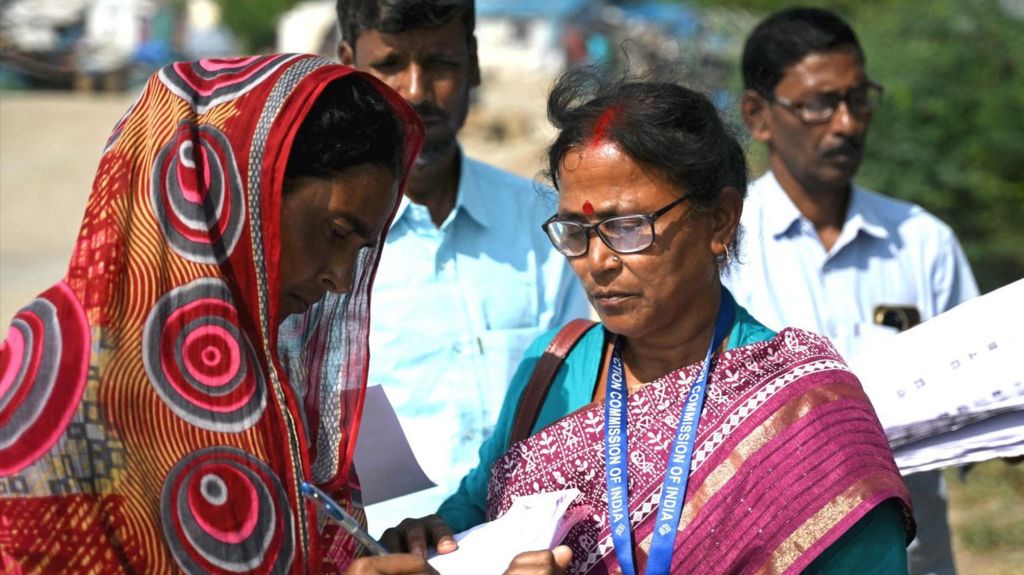
India’s ambitious electoral roll revision drive has triggered a human crisis among the frontline workers implementing it, with multiple fatalities raising serious concerns about working conditions. The Special Intensive Revision (SIR) program, designed to update records for over 500 million voters across 12 states and union territories, has placed immense pressure on Booth-Level Officers (BLOs) who form the backbone of this massive democratic exercise.
Typically government teachers, junior staff, and contract workers, these BLOs have reported working 14-15 hour days with minimal rest and inadequate compensation. The human cost has become tragically apparent through several deaths linked to the overwhelming workload. Sarvesh Kumar, a school teacher in Uttar Pradesh, was found dead after recording a video describing his inability to sleep for 20 days due to election work pressures. In Gujarat, primary school teacher Arvindbhai Vadher allegedly died by suicide, with his family attributing the tragedy to the ‘torturous nature of BLO work.’
The Election Commission has extended the deadline by one week and doubled compensation for BLOs to 12,000 rupees ($66), while the Supreme Court has directed states to deploy additional staff. However, workers report persistent issues including malfunctioning government apps, unpaid wages, and threats of legal action for taking leave. Many are spending personal funds and device data to complete their duties while their regular jobs and students suffer from their extended absence.
Despite these interventions, the fundamental tension between India’s democratic processes and the welfare of those implementing them remains unresolved, highlighting systemic challenges in managing large-scale government initiatives.