Hong Kong’s community spirit and governmental coordination have emerged as cornerstones of the ongoing recovery efforts following last month’s devastating high-rise fire at Wang Fuk Court in Tai Po. The tragic incident, which claimed multiple lives and displaced thousands of residents, has triggered an unprecedented mobilization of resources from both central and Hong Kong Special Administrative Region governments.
Structural safety assessments across all affected buildings were completed within a remarkable 24-hour timeframe, according to Daniel Leung Hung-wai, Deputy Director of the Housing Bureau’s Development and Construction Department. This rapid response was made possible through substantial material support from the central government, which provided critical equipment including protective gear and specialized lighting for working in pitch-black environments. Over 100 personnel conducted simultaneous operations in a large-scale demonstration of emergency response capabilities.
The humanitarian aspect of the disaster response has seen significant progress, with transitional housing operator Lok Sin Tong Benevolent Society quickly allocating more than 20 units on the night of the blaze. The organization has since rehoused over 80 households, with rental payments waived and flexible lease agreements designed to accommodate varying recovery timelines. Project Development Manager Cherry Lee Yim-ming noted the ‘remarkable’ community mobilization that assembled vast quantities of aid supplies—from bedding and food to household appliances and cleaning products—within less than a week.
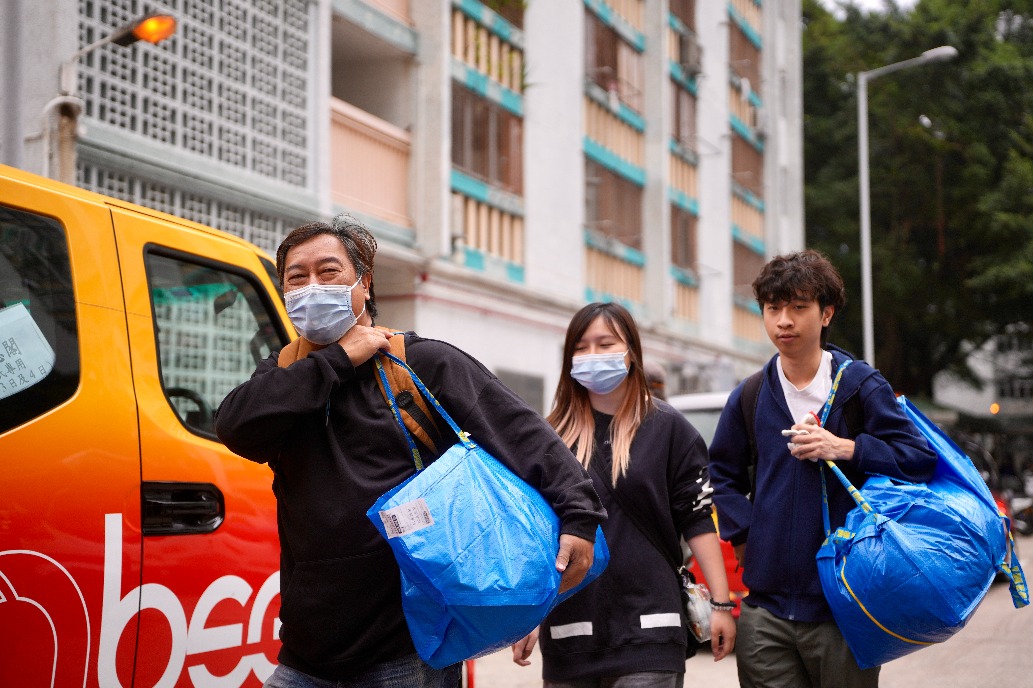
As of recent figures, 1,369 affected residents have been accommodated in youth hostels, camps, or hotels through the Home and Youth Affairs Bureau, while 2,499 have moved into transitional housing provided by the Housing Bureau and the Hong Kong Housing Society. The government’s ‘one-household, one-social worker’ mechanism has proven vital for long-term recovery planning, with care teams providing personalized assistance to vulnerable residents.
Despite the profound personal losses experienced by many—including one resident who lost all financial cards and possessions—the collective response has provided a foundation of stability. ‘With the help from the government and all those around us, we can manage for the time being,’ one displaced resident acknowledged, capturing the tempered optimism that characterizes the ongoing recovery journey.