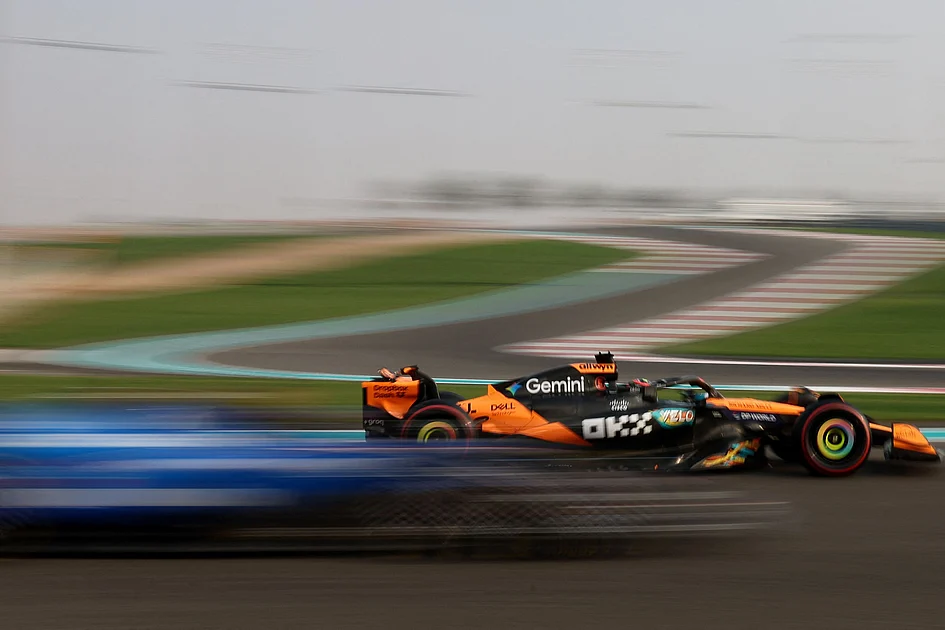
Groundbreaking research from Zayed University reveals that the Abu Dhabi Grand Prix delivers profound psychological benefits extending far beyond motorsport excitement. The annual season finale has evolved into a comprehensive festival experience that significantly enhances visitor wellbeing through multiple dimensions.
According to the study led by Dr. Graham Manville, Professor of Management, spectators reported an unexpected sense of personal accomplishment throughout the event weekend. Attendees expressed pride in their extensive activities including step counts, culinary explorations, game participation, attraction visits, and concert attendance. These cumulative ‘small achievements’ generated a powerful emotional boost that enriched the overall experience beyond conventional expectations.
Dr. Ekaterina Koll, Assistant Professor at the College of Interdisciplinary Studies, emphasized that visitor happiness stemmed from the event’s festival-style design rather than solely the racing component. The incorporation of concerts, live music, diverse food zones, and family-oriented activities transformed the Grand Prix into an inclusive destination appealing to broader demographics beyond traditional motorsport enthusiasts. Purposefully designed public spaces facilitating social interaction consistently triggered intense positive emotions among attendees.
A significant finding identified the emergence of collective belonging among residents, expatriates, and international visitors. The shared atmosphere fostered a unified spirit where emotions spread rapidly through crowds, particularly during symbolic moments like the pre-race aerial displays. These experiences created temporary but powerful communities within Yas Marina Circuit, strengthening social bonds and enhancing cultural connections.
The research positions the Abu Dhabi Grand Prix as a distinctive cultural and multi-sensory festival that distinguishes itself from other global racing events. The integration of yacht parties, museum exhibitions, gourmet dining, and theme park attractions alongside the track creates a comprehensive experience. Notably, the event’s inclusivity allows comfortable participation for families, solo female travelers, and culturally diverse visitors, reinforcing the UAE’s atmosphere of openness.
Beyond immediate visitor satisfaction, the study indicates the event significantly shapes Abu Dhabi’s global perception as a premium tourism destination. As the Formula One season finale staged in sophisticated facilities, the Grand Prix enhances the UAE’s soft power by presenting the nation as an welcoming, high-end hospitality hub. Many attendees develop impressions extending far beyond motorsport, frequently reshaping their perception of the city and its cultural identity.
The research offers valuable insights for future mega-event organization, identifying three core elements strengthening visitor engagement: positive emotional stimulation, facilitated social interaction, and novel experience creation. When balanced effectively with practical considerations including safety protocols, clear navigation, organizational efficiency, and technological integration, these elements generate lasting wellbeing impacts that extend well beyond the event duration.