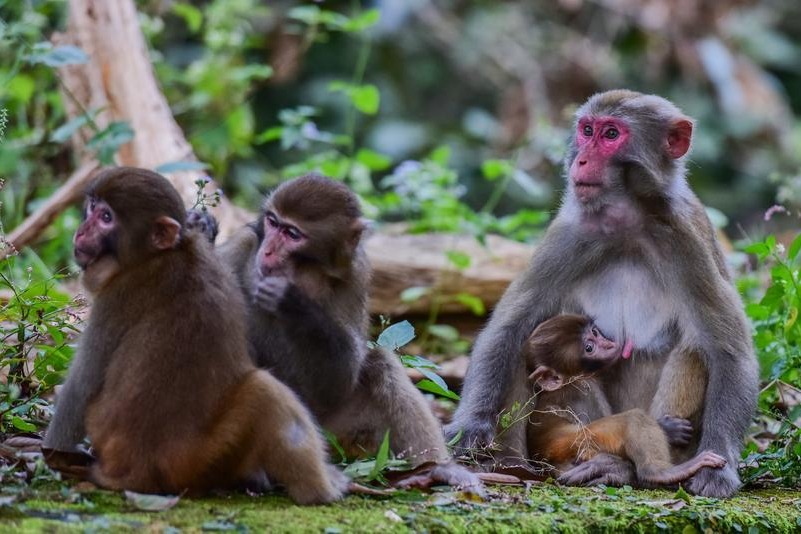
In a groundbreaking study published in Nature Methods, researchers from China’s Kunming Institute of Zoology have unveiled the most comprehensive molecular mapping of aging in non-human primates to date. The research team, spearheaded by prominent scientist Kong Qingpeng, conducted an extensive multi-omics analysis of rhesus macaques, creating an unprecedented resource for understanding the biological mechanisms of aging.
The investigation focused on 17 female rhesus monkeys ranging from 3 to 27 years old, with samples collected from 30 distinct organ systems including the skin, digestive tract, cardiovascular network, and immune-related organs. Through sophisticated analysis across three molecular dimensions—transcriptomics, proteomics, and metabolomics—the team identified critical patterns in how different organs age at varying rates.
Researchers discovered that organs age at dramatically different paces, with twelve organs showing accelerated aging patterns including the thymus, spleen, gastrointestinal tract, kidneys, and ovaries. Conversely, eleven organs demonstrated slower aging trajectories, including the brain, liver, skin, and adrenal glands. The study pinpointed translation efficiency—the process of converting mRNA into proteins—as a fundamental molecular mechanism underlying these differential aging rates, with fast-aging organs showing significant decline in this crucial cellular function.
The research builds upon previous findings that identified a critical aging acceleration point between 16-19 years in rhesus monkeys, equivalent to 48-57 human years. This alignment with human aging patterns reinforces the value of rhesus monkeys as ideal models for human aging research. All molecular data from this comprehensive study has been made publicly available, providing an invaluable resource for the global scientific community’s ongoing efforts to understand and potentially intervene in the aging process.