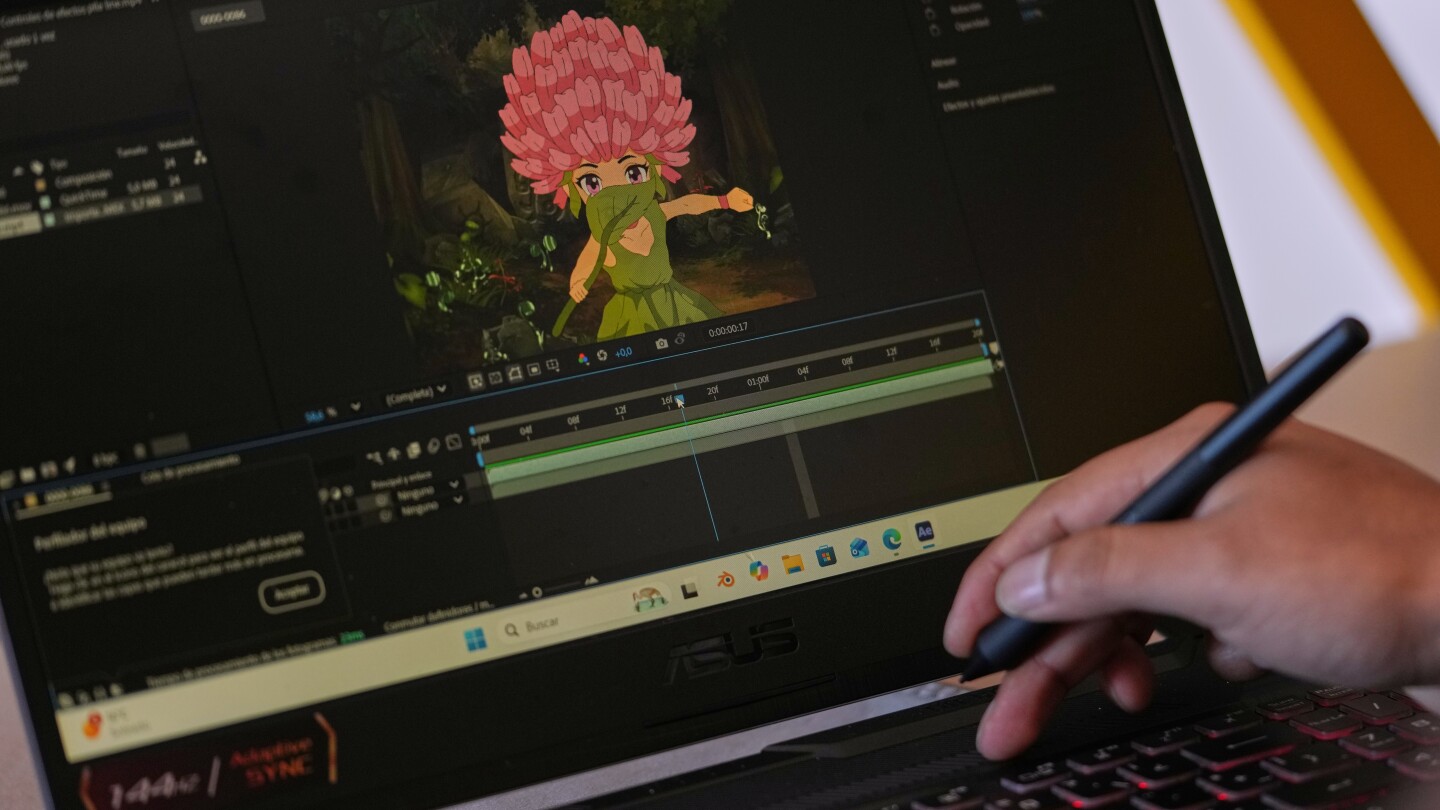
In the high-altitude terrain of Ecuador’s Imbabura province, a creative renaissance is unfolding as young Otavalo Indigenous filmmakers employ Japanese anime aesthetics to revitalize their cultural legacy. Their groundbreaking animated short film, “We’re Aya,” represents a innovative fusion of traditional Quechua storytelling with contemporary animation techniques, drawing direct inspiration from Hayao Miyazaki’s legendary works.
The cinematic project centers on the mythological adventures of Aya, an Otavalo warrior, and her companions who operate under the symbolic protection of the condor—a sacred avian emblem representing power in Andean cosmology. Director Tupac Amaru characterizes the production as a cultural counteroffensive against globalization’s erosive effects on Indigenous traditions, noting that his community faced a critical choice between cultural isolation or creative resistance.
What distinguishes this nine-minute narrative is its exclusive use of Quichua dialogue among its twelve characters—a deliberate linguistic preservation strategy targeting younger generations who increasingly communicate primarily in Spanish. Creative manager Yarik Sisa explains the film incorporates ancestral rituals, including the ceremonial placement of musical instruments at energetic terrestrial points to imbue them with spiritual essence.
The allegorical journey follows characters representing Indigenous archetypes—Ayaruku (indomitable spirit), Ayawa (feminine sublime), and Ayaku (childlike tenderness)—as they perform rhythmic dances through a cavern symbolizing globalization. Here, they receive their mission to become cultural seeds for their people. The narrative culminates in an intergenerational exchange where a granddaughter pledges to her grandfather to become a steadfast guardian of their traditions.
Looking beyond this initial production, the creative team envisions expanding into Quichua-language video games and international digital media markets. Creative director Malkik Arango articulates their ambition to establish a media ecosystem “made by Quichuas in a Quichua environment,” signaling a new paradigm in Indigenous-led cultural production.