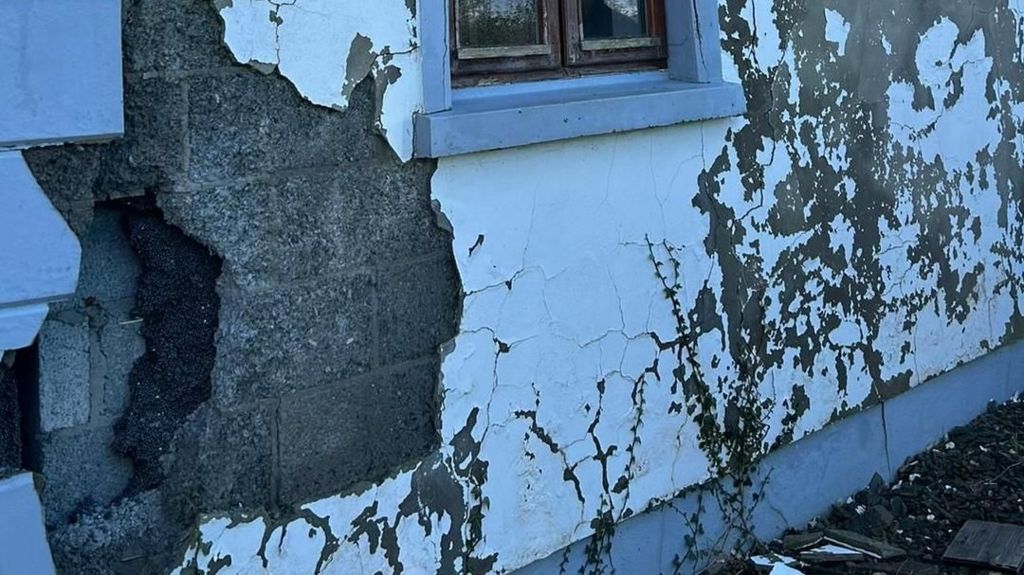
A severe housing crisis continues to unfold across Ireland’s northwestern regions as thousands of families remain trapped in structurally compromised homes due to defective concrete blocks. Despite government allocations exceeding €235 million through a redress program established in November 2021, implementation delays have left numerous households facing unsafe living conditions.
The problematic construction materials, containing water-absorbing minerals that cause cracking and structural failure, have predominantly affected properties in Donegal, Clare, Limerick, Mayo, and Sligo. Many residences have experienced significant deterioration, with some requiring complete demolition like the family home of Joy Beard, a councilor from the 100% Redress Party.
Official statistics reveal modest progress within the compensation framework. While over 1,700 remediation determinations have been issued and approximately 320 households completed repairs by October, campaigners emphasize these numbers represent just a fraction of affected homeowners. More than 1,000 additional properties have commenced repair operations, yet thousands await assistance.
Critics highlight systemic flaws in the current approach. The financial cap of €420,000 per home, combined with insufficient upfront funding and a critical shortage of temporary housing during reconstruction, creates impossible barriers for many families. Additionally, Ireland’s broader housing shortage exacerbates relocation challenges during necessary repairs.
With winter intensifying, thermal inefficiency in damaged homes presents immediate health and safety concerns. Heat loss through wall cracks further compounds the financial strain on residents already facing substantial reconstruction costs. Government projections indicate additional funding of approximately €175 million earmarked for 2026, but affected communities demand accelerated action and program reforms to address what many describe as a worsening humanitarian issue.