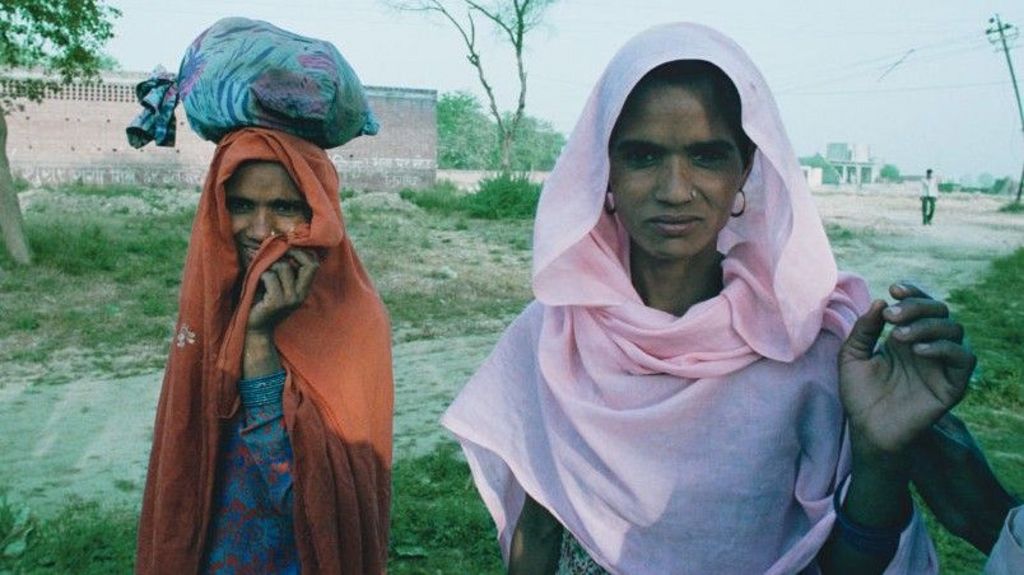
A groundbreaking study conducted in partnership with India’s Supreme Court has revealed a profound paradox within the nation’s highest judicial body. While the court has consistently upheld the rights of Dalits (historically marginalized communities comprising approximately 160 million citizens), its language frequently reinforces the very caste hierarchies it seeks to eliminate.
The University of Melbourne-funded research, spanning 75 years of constitution bench rulings from 1950 to 2025, demonstrates how progressive legal outcomes often coexisted with regressive language. These landmark decisions, which set legal precedents and influence lower courts, contained terminology that researchers characterize as “demeaning or insensitive” toward oppressed communities.
Analysis revealed multiple problematic linguistic patterns: some judgments compared caste oppression to disability, implying inherent inferiority; others described affirmative action as “crutches” that shouldn’t be depended upon too long; several rulings compared Dalits to “ordinary horses” while characterizing upper castes as “first class race horses.” Particularly troubling were descriptions of caste origins as “benign” division of labor, which researchers note “supported a bitterly unfair status quo that confines oppressed castes to reviled and poorly paid work.”
Professor Farrah Ahmed of Melbourne Law School, a co-author of the study, emphasized that judges appeared genuinely unaware of their language’s implications. “I don’t think, in any of these cases, that there was an intention to insult or demean Dalit people,” she noted, while acknowledging that such language likely influenced judicial reasoning.
The Supreme Court has recently taken steps toward addressing linguistic bias, including last year’s directive to revise prison manuals to eliminate caste-based discrimination and its 2023 publication of a ‘Handbook on Combating Gender Stereotypes.’ However, the study argues that meaningful change requires greater diversity within the judiciary itself.
With only eight Dalit judges having served on the Supreme Court throughout its history, including recently retired Chief Justice BR Gavai (the second Dalit to lead the court), the institution lacks the diverse perspectives necessary to fully address caste bias. The researchers point to Justice KG Balakrishnan’s writing—which describes caste as “unbreakable bondage”—as evidence of how lived experience shapes judicial understanding.
This internal reckoning suggests that the struggle for caste equality extends beyond laws and judgments into the fundamental language through which justice is articulated and understood.