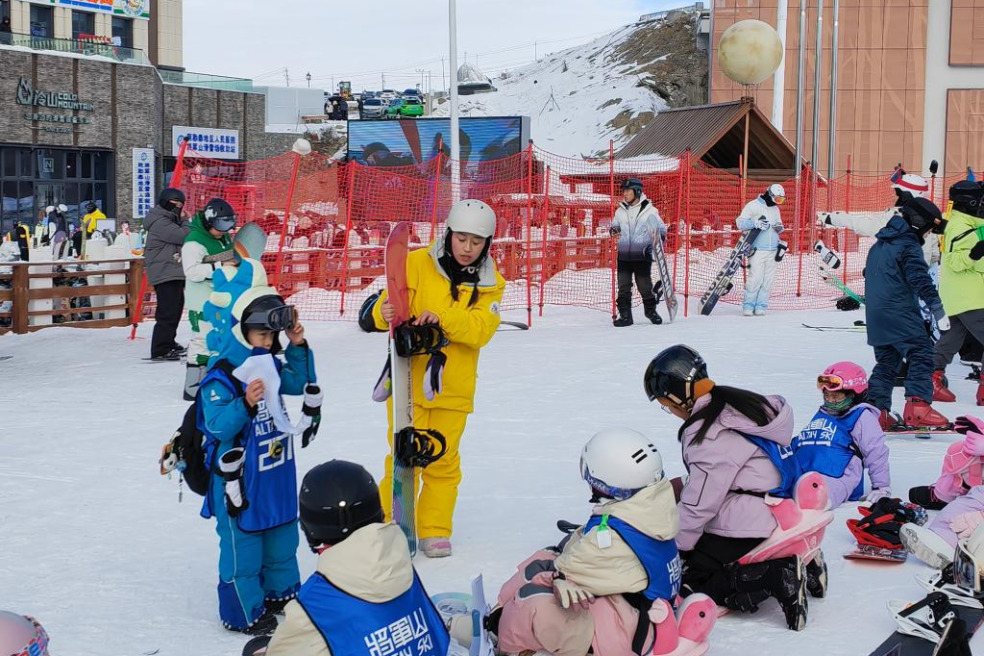
Several Chinese provinces have pioneered an innovative educational break known as the ‘snow vacation,’ strategically timed to boost winter tourism while encouraging family participation in seasonal activities. The policy, currently implemented in northeastern Jilin province and Xinjiang’s Altay region, provides compulsory education students with extended winter breaks specifically designed to coincide with optimal skiing conditions.
In Altay, part of the Xinjiang Uygur autonomous region, students received a five-day vacation from Monday through Friday, while Urumqi announced a nine-day break beginning Saturday through December 7. Jilin province, renowned for its winter sports infrastructure, similarly implemented its inaugural five-day snow vacation from Wednesday through December 7.
The initiative includes substantial tourism incentives: Jilin has made 171 A-rated winter scenic spots and 39 certified skiing facilities completely free for primary and secondary students, with discounted tickets available for accompanying parents. Provincial authorities have actively encouraged employees to utilize paid leave during this period, with explicit instructions for schools to refrain from assigning homework or organizing academic activities.
Early indicators demonstrate significant success. Travel platform Qunar reported a 13% year-on-year increase in bookings for Jilin tourist sites during the vacation period. Flight reservations from Changchun, Jilin’s capital, surged 57% following the policy announcement compared to the previous week.
Tourism experts recognize the multidimensional benefits of this approach. Wei Changren, founder of financial tourism news platform btiii.com, notes that the policy simultaneously stimulates local tourism consumption while advancing nationwide winter tourism development. The initiative also serves as a catalyst for improving China’s paid leave system by creating natural opportunities for family travel.
Public response has been overwhelmingly positive, with many expressing envy toward students in these regions. Beijing resident Li Qin commented, ‘I hope the snow vacation can be popularized in other provinces so my future children can enjoy the white fairyland.’ The policy represents a innovative approach to seasonal tourism development while addressing broader questions about work-life balance and educational scheduling.