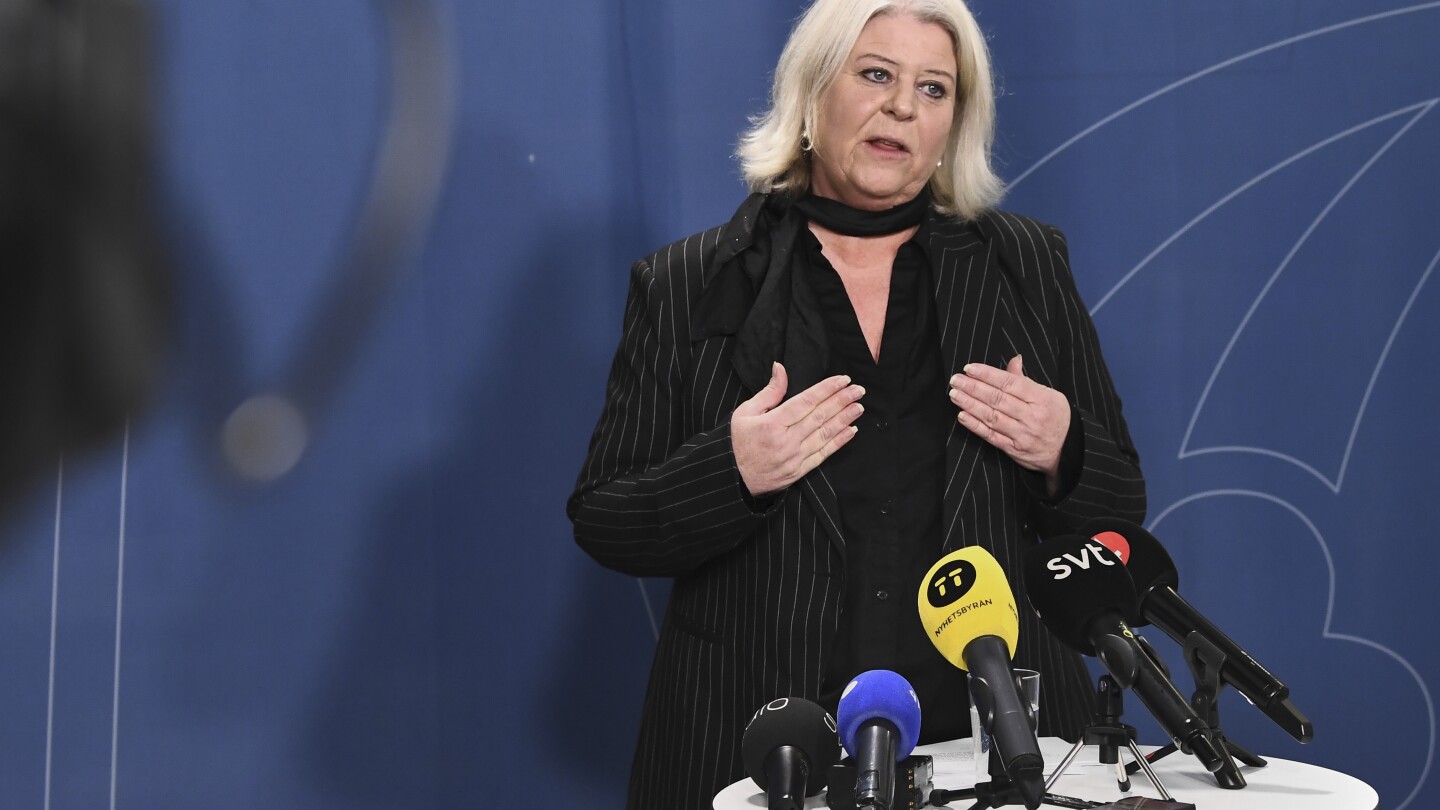
The Swedish government has declared an aggressive stance against the online commerce of childlike sex dolls, pledging to implement stricter measures following concerning reports of such products being marketed within the country. Social Services Minister Camilla Waltersson Grönvall expressed profound distress, stating, “As a mother, your heart really breaks watching these images and pictures of these dolls,” emphasizing the government’s determination to eradicate the sale and purchase of these items entirely.
The ministerial commitment emerged from a high-level meeting convened on Friday, gathering child protection advocates, digital commerce representatives, and government agencies. This assembly was specifically organized in response to multiple documented instances of e-commerce platforms facilitating the trade of anatomically childlike dolls. During the discussions, online marketplaces outlined their existing protocols for identifying and removing such prohibited content.
Minister Waltersson Grönvall maintained a firm position, indicating that governmental oversight would be relentless. She explicitly warned that further legislative action remains a viable option if current industry measures prove insufficient. This initiative is part of a broader, forthcoming national strategy designed to shield children from violence, incorporating enhanced protections against sexual and online exploitation.
Public awareness of this issue escalated when the advocacy organization ChildX filed an official police report against Amazon and other retailers earlier this month. The complaint targeted the sale of explicitly child-proportioned sex dolls, often attired in school uniforms and marketed within a sexual context. ChildX argued that these products, typically measuring about one meter in height, violate Swedish laws against material that sexualizes children and may constitute criminal child exploitation.
Ida Östensson, Secretary General of ChildX, confirmed that their activism resulted in the removal of certain product listings. She condemned the normalization of child sexual abuse through such commodities, asserting that children must never be treated as sexual objects. In response, Amazon referenced its attendance at the government meeting and its policy of removing flagged items, reiterating its strict prohibition of child pornography. This development in Sweden mirrors similar regulatory movements in Europe, notably in France, where authorities recently pressured retailers like Shein over comparable compliance failures.