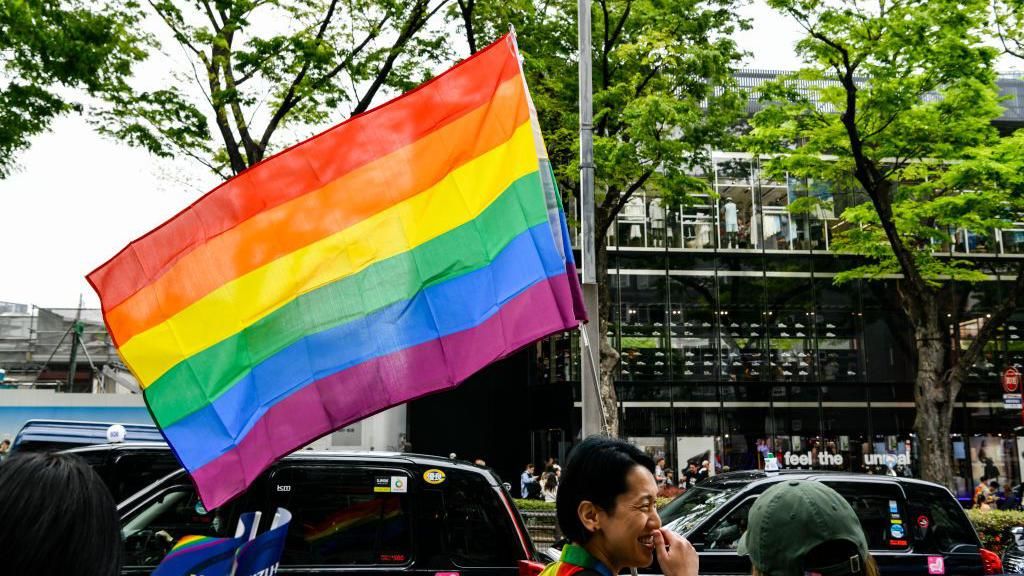
In a landmark decision that defies recent judicial trends, Tokyo’s High Court has declared Japan’s prohibition of same-sex marriage constitutional. This verdict stands in stark contrast to five previous high court rulings across the nation that had found the ban unconstitutional, creating significant disappointment among marriage equality advocates.
The ruling emerged from the final batch of six same-sex marriage lawsuits filed between 2019 and 2021 in various Japanese cities including Sapporo, Osaka, and Fukuoka. Presiding Judge Ayumi Higashi asserted that the matter should first undergo parliamentary deliberation rather than judicial determination, according to Mainichi newspaper reports.
Plaintiffs and their legal representatives gathered outside the courthouse expressed profound dismay, displaying signs declaring the verdict “unjust.” Shino Kawachi, one of the plaintiffs, questioned the judiciary’s perspective: “What is justice? Was the court even watching us? Were they considering the next generation?” Her partner, Hiromi Hatogai, conveyed extreme outrage while vowing to continue their legal battle.
Amnesty International’s East Asia researcher Boram Jang condemned the decision as a “damaging step backwards,” urging the Japanese government to proactively work toward legalization so same-sex couples can enjoy equal marriage rights. Japan remains the only G7 nation without full recognition or clear legal protections for same-sex couples, though it aligns with most Asian countries where only Taiwan, Thailand, and Nepal currently permit same-sex marriages.
The cases are expected to advance to Japan’s Supreme Court for final adjudication, setting the stage for a definitive national ruling on marriage equality.