China’s comprehensive national assessment of nature reserves has demonstrated extraordinary success in ecosystem restoration and wildlife conservation, with over 90% of protected areas reporting significant population growth among key species. The Ministry of Ecology and Environment announced these findings during a recent press briefing, highlighting a major environmental achievement for the nation.
According to official data presented by ministry spokesman Pei Xiaofei, the extensive evaluation—conducted since 2022 across all national-level nature reserves—revealed that 82% of protected zones have witnessed substantial expansion in the distribution ranges of crucial wildlife species. The assessment further documented impressive improvements in vegetative coverage, with more than 80% of reserves showing increased above-ground biomass and over 70% registering enhanced forest coverage.
Wetland conservation efforts have yielded particularly notable results, demonstrating a 60% increase in natural wetland coverage within protected areas. These habitat improvements have directly contributed to the recovery of several endangered species, including two iconic mammals that serve as indicators of ecological health.
The Yangtze finless porpoise, a critically endangered freshwater cetacean, has experienced a dramatic population surge from 192 to 269 individuals across three monitored reserves in Anhui and Hubei provinces. Simultaneously, the species’ distribution range continues to expand, signaling improved water quality and ecosystem vitality throughout its habitat.
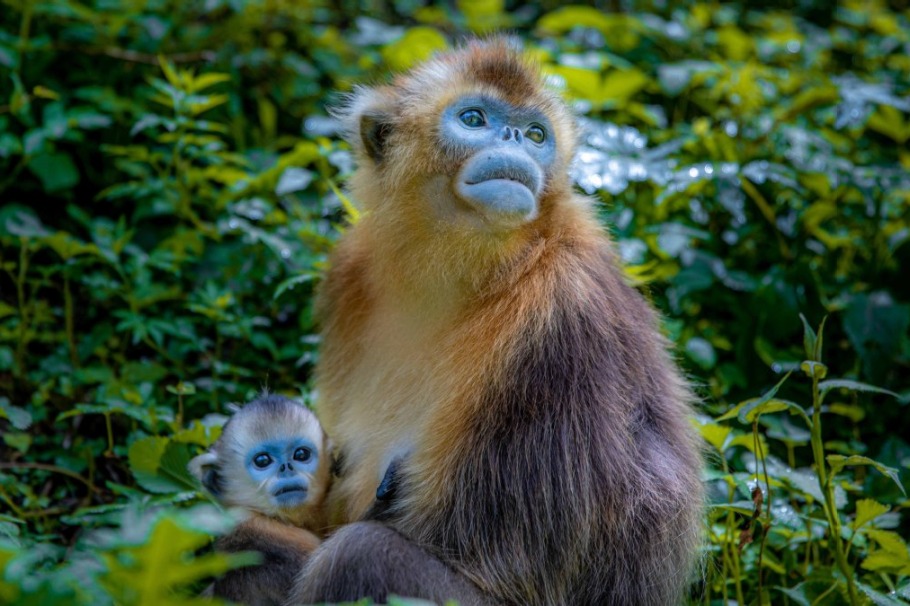
Equally promising is the recovery of the Sichuan golden snub-nosed monkey in Shennongjia National Nature Reserve. The primate’s population has grown from 1,471 to 1,618 individuals, while its available habitat has expanded by 13%, creating more sustainable living conditions for this rare species.
These conservation successes reflect China’s strengthened commitment to environmental protection and biodiversity preservation. The systematic evaluation of nature reserve effectiveness represents one of the most comprehensive conservation assessments ever undertaken, providing valuable data for future environmental policy decisions and habitat management strategies.