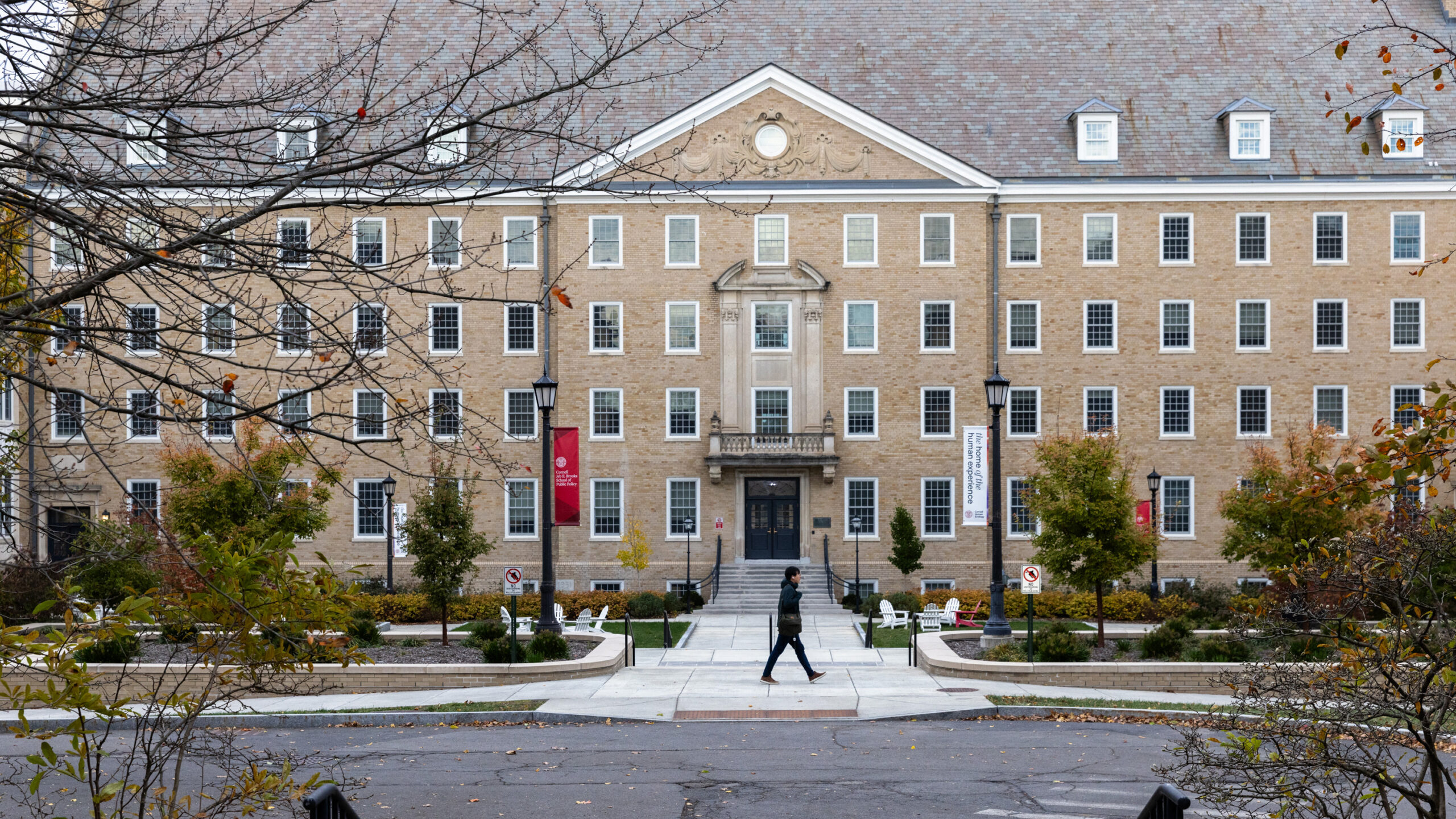
In a decisive political stance, members of Cornell Graduate Students United (CGSU-UE Local 300) have overwhelmingly approved a referendum endorsing the Palestinian liberation struggle. The three-day voting period concluded Tuesday, with results formally announced Wednesday, marking a significant institutional shift toward activist positioning.
The union’s resolution explicitly condemns Cornell University for allegedly supporting human rights violations against Palestinians through research collaborations and financial ties to weapons manufacturers. This decision formally commits the graduate student body to joining the Palestinian-led Boycott, Divestment and Sanctions (BDS) movement, which seeks to pressure Israel through non-violent economic and academic measures.
CGSU’s statement draws historical parallels, noting the BDS movement’s inspiration from anti-apartheid efforts in South Africa. The union further contextualizes Cornell’s involvement by referencing the university’s endowment origins in the sale of indigenous Cayuga Nation lands, drawing connections between historical dispossession and contemporary military research partnerships.
The resolution outlines concrete actions including demanding funding transparency for graduate assistantships, supporting members who refuse military-linked funding, and pressuring the university to protect pro-Palestinian activists from disciplinary measures. The statement additionally claims the American working class has indirectly financed Israel’s military operations through tax dollars, citing $12.5 billion in direct military aid since 2023.
This development occurs against a backdrop of heightened campus activism nationwide, with Cornell among approximately 60 institutions facing federal pressure to regulate pro-Palestinian expression. The university previously faced financial repercussions when the Trump administration threatened to withhold $1 billion in research funds, ultimately resulting in a $60 million settlement agreement announced November 7.