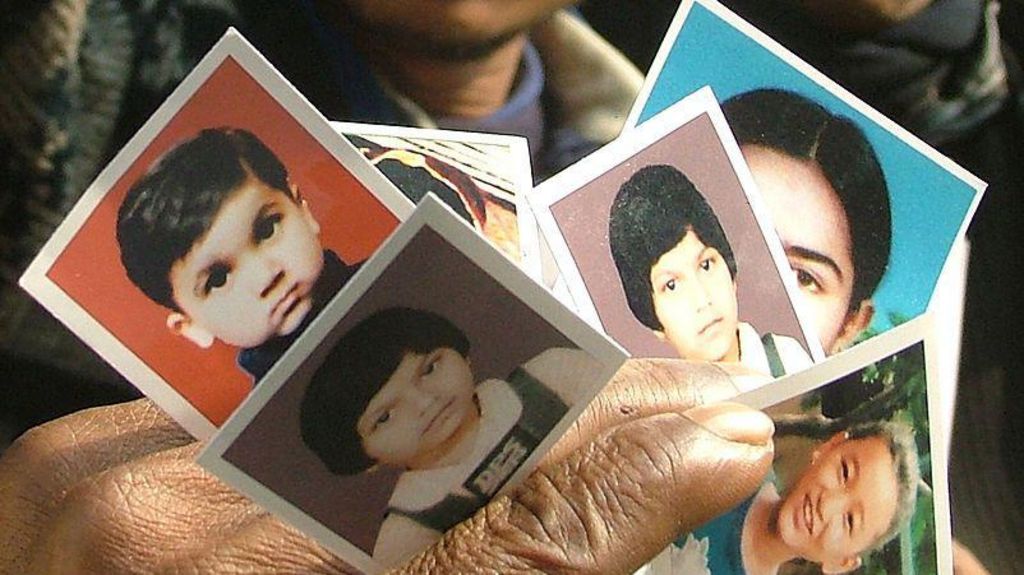
Nearly two decades after the discovery of 19 dismembered bodies near a bungalow in Noida, India, dubbed the ‘house of horrors,’ the case has resurfaced with the acquittal of Surinder Koli, the last of the two men convicted. On November 12, the Supreme Court overturned Koli’s conviction, citing that his confession—which included admissions of cannibalism and necrophilia—was extracted under torture. The case, which dates back to December 2006, involved the murders of women and children, predominantly from the impoverished Nithari slums, near the affluent neighborhood where the crimes occurred. Businessman Moninder Singh Pandher and his servant Koli were arrested after body parts were found near their residence. Pandher was acquitted in 2023 due to insufficient evidence, and Koli’s recent release has concluded the judicial process in one of India’s most infamous criminal cases. Families of the victims, many of whom have moved away from Nithari, are left grappling with unanswered questions. Jhabbu Lal Kanaujia, whose 10-year-old daughter Jyoti was among the victims, expressed despair, burning all case-related documents he had collected over the years. The Supreme Court criticized the police and investigative agencies for a flawed investigation, accusing them of negligence and implicating Koli without substantial evidence. The court also highlighted the failure to explore leads, including a potential organ trade angle. Families like Pappu Lal’s, whose daughter Rachna was among the victims, continue to seek justice, questioning the integrity of the criminal justice system. Despite the acquittals, the emotional scars remain, with victims’ families urging the government to ensure accountability and justice for their children.
Who killed our children? Indian parents ask as ‘house of horrors’ convict acquitted