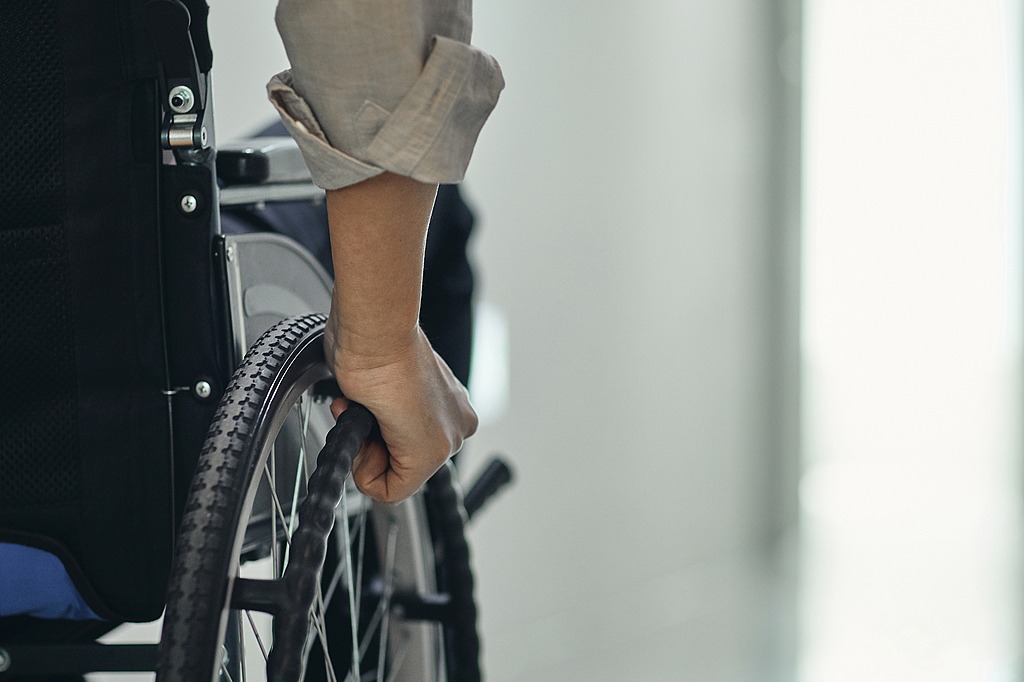
China’s Civil Aviation Administration has unveiled draft regulations aimed at significantly improving air travel accessibility for passengers with disabilities, particularly wheelchair users. The proposed rules, currently open for industry feedback, would mandate airports and airlines to facilitate the check-in of non-electric wheelchairs at boarding gates. Additionally, well-equipped airports would be required to extend this service to electric wheelchair users, who often encounter regulatory hurdles during check-in. The draft emphasizes the prioritization of aerobridge boarding for disabled passengers and the provision of ramps to minimize height discrepancies between aircraft and boarding lifts or stairs. These measures mark a substantial advancement over existing regulations, which necessitate 48-hour prior notification of special needs and may result in denial due to logistical constraints. The administration underscores the importance of safeguarding the air travel rights of persons with disabilities, aligning with the principle of ‘aviation for the people.’ To ensure the successful implementation of these rules, the administration has committed to enhancing facilities, services, funding, and staff training, aiming to deliver standardized, respectful, and considerate service to passengers with special needs. The draft also stipulates the availability of barrier-free pathways, tactile paving, lowered service counters, and accessible toilets, along with writing boards for hearing- or speech-impaired passengers. Furthermore, professional escort services for unaccompanied disabled passengers and comprehensive disability service training for airline and airport staff are mandated. Enhanced training for security personnel to identify assistive devices and employ appropriate inspection methods is also highlighted. The administration plans to strengthen oversight, integrating compliance into routine inspections and administrative checks.