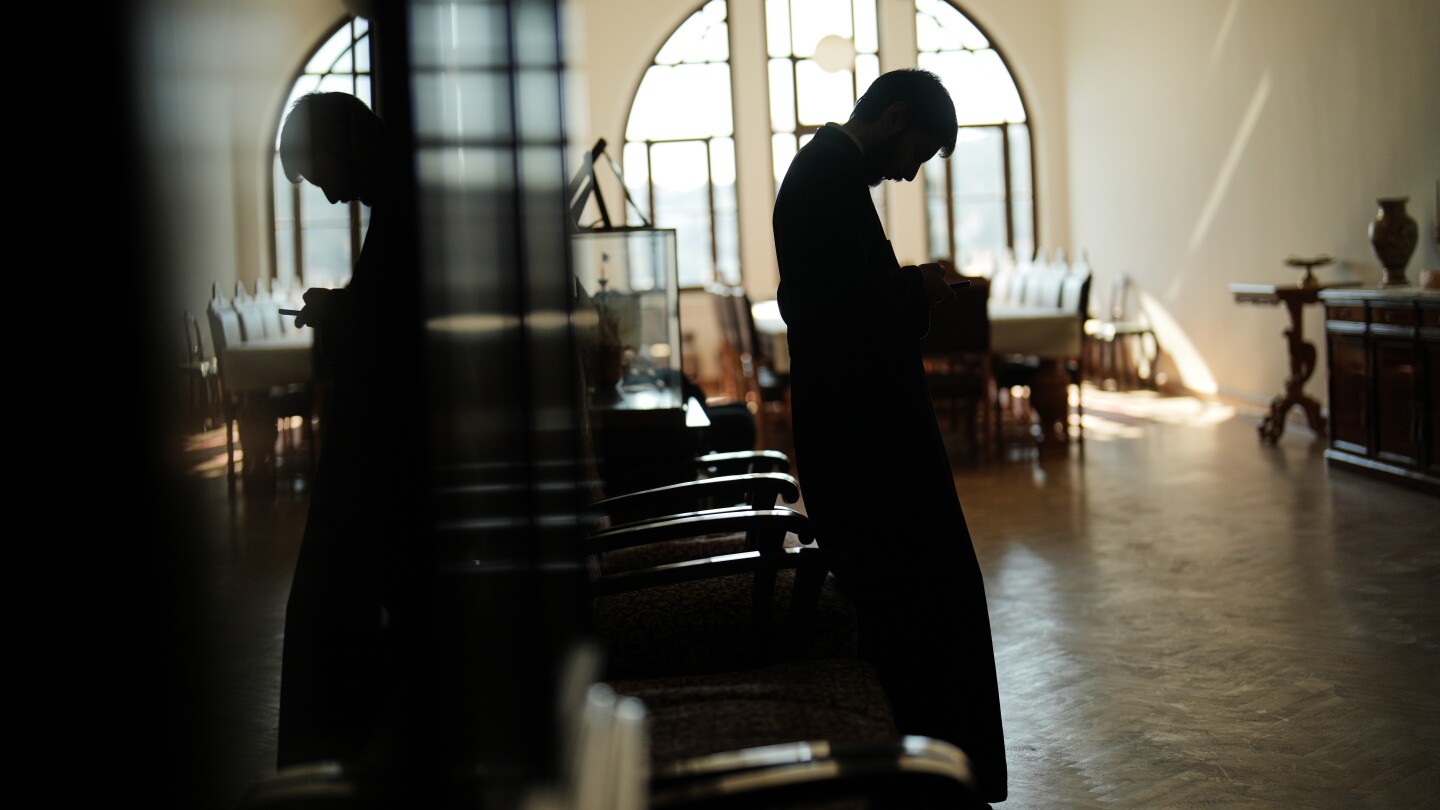
As Pope Leo XIV prepares for his inaugural international visit to Turkey, there is growing optimism about the potential reopening of the Halki Theological School, a Greek Orthodox seminary that has been closed since 1971. Located on Heybeliada Island near Istanbul, the seminary has long been a symbol of Orthodox heritage and a focal point in the struggle for religious freedoms in Turkey. The school, which trained generations of Greek Orthodox patriarchs and clergy, including Ecumenical Patriarch Bartholomew I, was shuttered under laws restricting private higher education. Despite legal reforms allowing private universities to flourish, the seminary has remained closed, despite repeated appeals from international religious leaders and human rights advocates. The momentum for reopening the seminary gained traction after Turkish President Recep Tayyip Erdogan discussed the issue with U.S. President Donald Trump in September, expressing willingness to ‘do our part’ regarding its reopening. Erdogan had previously linked the move to reciprocal measures from Greece to improve the rights of Muslims there. Renovation work is already underway at the seminary, with completed clergy quarters and classrooms standing ready to welcome students. During his visit to Turkey, starting on November 27, Pope Leo XIV is scheduled to meet Erdogan and join Ecumenical Patriarch Bartholomew in commemorating the 1,700th anniversary of the Council of Nicaea, a key event in Christian history. Archbishop Elpidophoros, head of the Greek Orthodox Archdiocese of America, expressed optimism about the seminary’s reopening, stating that a committee of representatives from the Greek Orthodox Patriarchate and the Turkish government has begun discussions. He emphasized that keeping the school closed is a ‘political and diplomatic anachronism’ that hinders Turkey’s progress. The fate of the seminary is seen as a test of Turkey’s treatment of religious minorities, including its Christian population, which is estimated at 200,000 to 370,000 out of nearly 86 million. While Turkey’s Constitution guarantees freedom of religion, only Armenians, Greeks, and Jews are allowed to operate places of worship and schools, leaving other Christian groups without formal recognition. The reopening of the seminary could serve as a significant step toward improving religious freedoms and fostering cultural development and affinity between Greece and Turkey.
Optimism ahead of pope’s visit to Turkey for reopening of Istanbul’s Greek Orthodox seminary