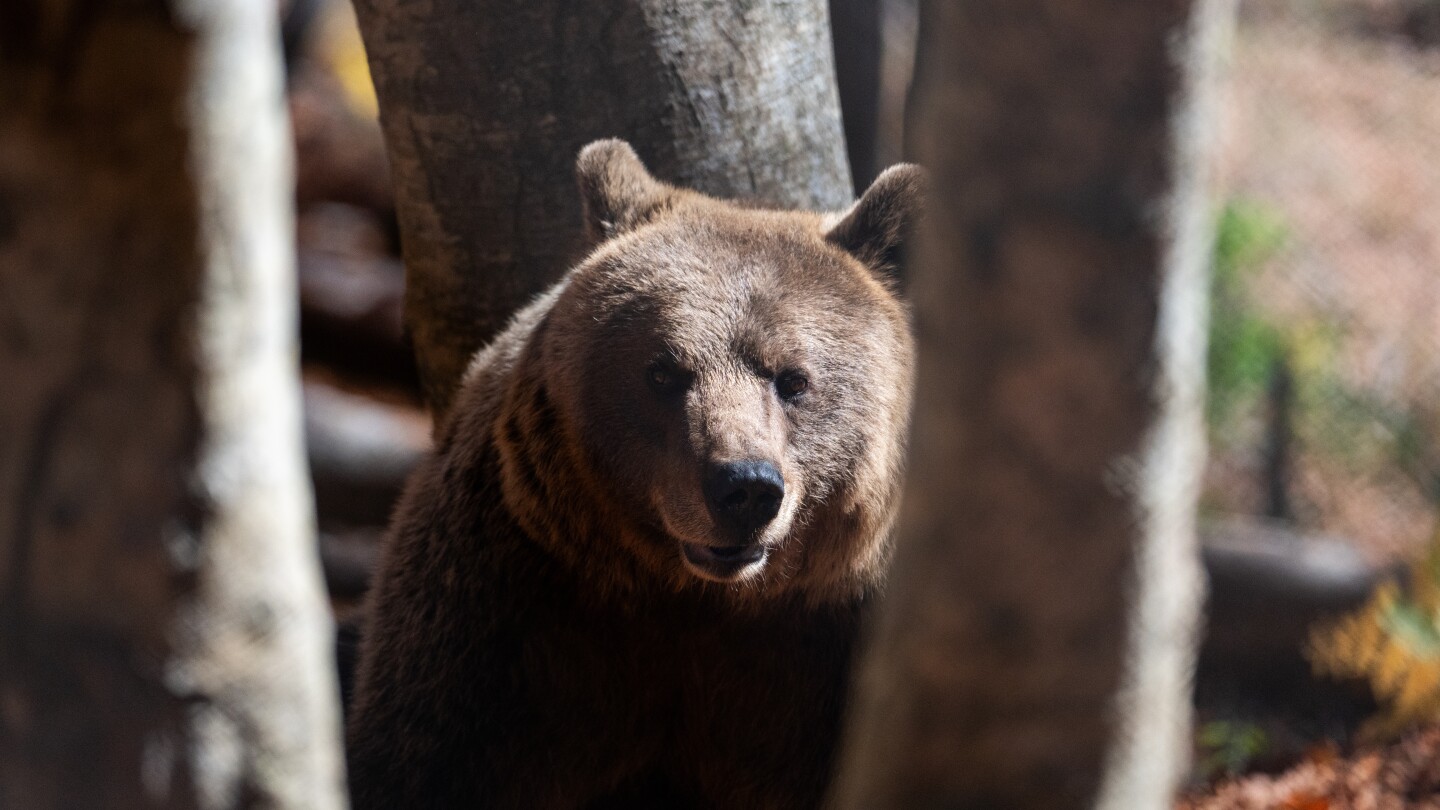
In the rural village of Levea, Greece, farmer Anastasios Kasparidis was met with a grim scene: three of his sheep lay dead, unmistakably mauled by a bear. The large paw prints in the soil confirmed the predator’s presence, a once-rare but now increasingly common occurrence in northwestern Greece. Kasparidis, who also reported losses of chickens and pigs among neighboring farmers, has since moved his remaining flock to a safer pen near his home. “The bears would eat them all,” he lamented. This incident underscores a growing tension in the region, where the resurgence of protected species like brown bears and wolves, celebrated by environmentalists, has sparked fears among rural residents for their livelihoods and safety. Brown bears, Greece’s largest predator, have seen their population quadruple since the 1990s, with an estimated 870 now roaming northern Greece, according to the environmental organization Arcturos. Wolves, too, have expanded their range, now found as far south as Athens and the Peloponnese. The recovery of these species has been bolstered by the increasing population of wild boars, whose numbers have surged due to reduced hunting, milder winters, and cross-breeding with domestic pigs. However, this wildlife rebound has led to more frequent human encounters, often resulting in fear and conflict. In Levea, residents report regular bear sightings, while wild boars frequently roam through the village. Similar stories emerge from nearby Valtonera, where community president Konstantinos Nikolaidis noted that wild animals now enter the village, making nighttime walks unsafe. The situation has prompted calls for extended hunting seasons and reduced protections for wolves, a move recently supported by EU lawmakers. Experts, however, caution against simplistic solutions. Panos Stefanou of Arcturos emphasized that habitat loss, food scarcity, and human depopulation in rural areas are key factors driving wildlife into human spaces. Measures like proper waste disposal, using deterrent lights, and avoiding feeding strays are recommended to mitigate conflicts. “Killing the animals is not what will solve the problem,” Stefanou stressed, advocating for a balanced approach to coexistence.
Bears in the backyard, wolves at the door: Greek villages have a growing predator problem