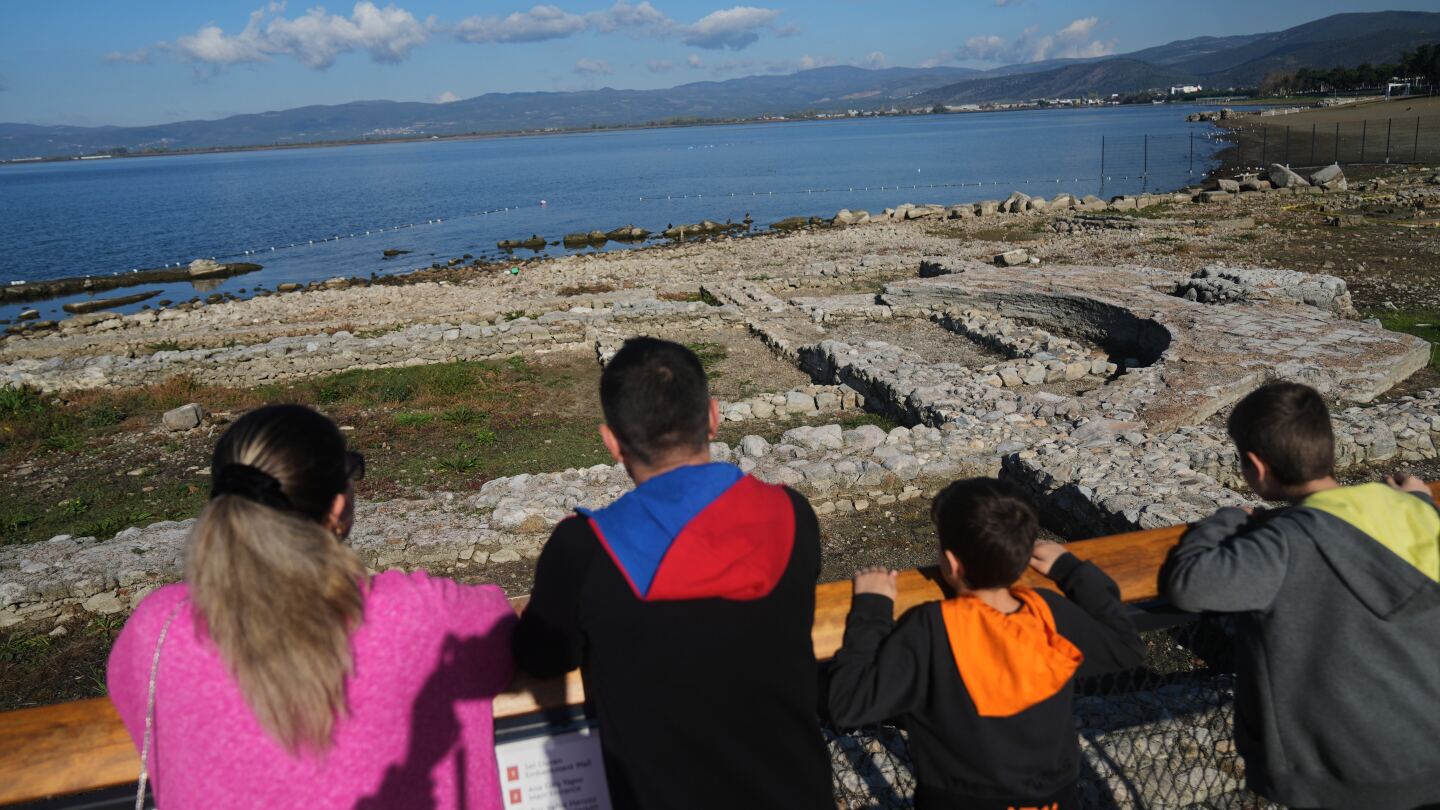
The Council of Nicaea, convened 1,700 years ago in present-day Turkey, remains a cornerstone of Christian history, symbolizing both unity and division within the faith. This historic gathering, orchestrated by Roman Emperor Constantine in 325 AD, produced the Nicene Creed, a foundational statement of Christian belief still recited by millions worldwide. Pope Leo XIV’s visit to the site on November 28, as part of his first major foreign trip, underscores its enduring significance. The council marked the first ecumenical meeting of bishops, addressing theological disputes, particularly the “Trinitarian Controversy,” which centered on the relationship between God the Father and Jesus the Son. Despite later schisms, the Nicene Creed remains a unifying document for Catholic, Orthodox, and most Protestant denominations. The anniversary has been commemorated globally, with events ranging from the World Council of Churches’ celebration in Egypt to local gatherings in the U.S. The council’s legacy, however, is complex. While it achieved theological compromise, it also institutionalized antisemitism and failed to permanently resolve doctrinal conflicts. Arius, whose teachings were condemned at Nicaea, later regained influence, and debates persisted for generations. Subsequent councils, such as the one in Constantinople in 381, expanded the creed, but divisions continued, including the Great Schism between the Catholic and Eastern Orthodox churches in the 11th century. Despite these fractures, the anniversary serves as a reminder of Christianity’s call to unity, offering hope for reconciliation in a divided church.
1,700 years ago, bishops and an emperor wrote a creed. Millions still recite it in church