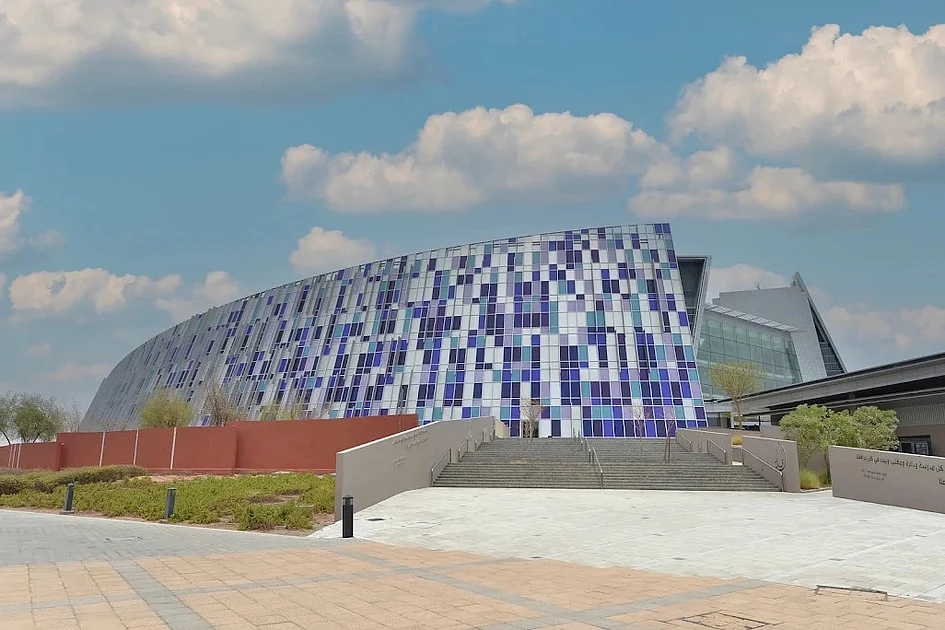
The United Arab Emirates (UAE) has emerged as a regional leader in higher education sustainability, with its universities making significant strides in the latest QS World University Rankings: Sustainability 2026. Released on Tuesday, the rankings evaluated nearly 2,000 institutions across 106 locations, marking it as the most extensive sustainability-focused ranking to date. Among the UAE’s 13 ranked universities, seven improved their positions, reflecting a 54% rise in performance. The United Arab Emirates University led the national charge, climbing to 318th globally, while Khalifa University secured the 384th spot. Notably, UAE institutions excelled in the Social Impact category, with the United Arab Emirates University jumping 99 places to 263rd, driven by strong indicators in education impact and employability. The region-wide improvements align with national sustainability agendas, such as the UAE’s Net Zero 2050 Strategy and Egypt’s Vision 2030. Leigh Kamolins, QS Director of Analytics and Evaluation, highlighted the region’s commitment to aligning higher education with climate and development goals. The Arab Region saw 147 universities ranked, including 29 newcomers, with 68 institutions improving their positions. Lebanon recorded the highest proportion of rising institutions at 86%, while Bahrain, Qatar, and Kuwait achieved near-complete improvement rates. The American University of Beirut led the Arab Region, climbing to 176th globally, while King Abdulaziz University entered the global top 200 for the first time. Despite progress, governance metrics revealed uneven performance, with 79 universities declining in this category. Jessica Turner, CEO of QS Quacquarelli Symonds, emphasized the ranking’s role in driving innovation and addressing global sustainability challenges.