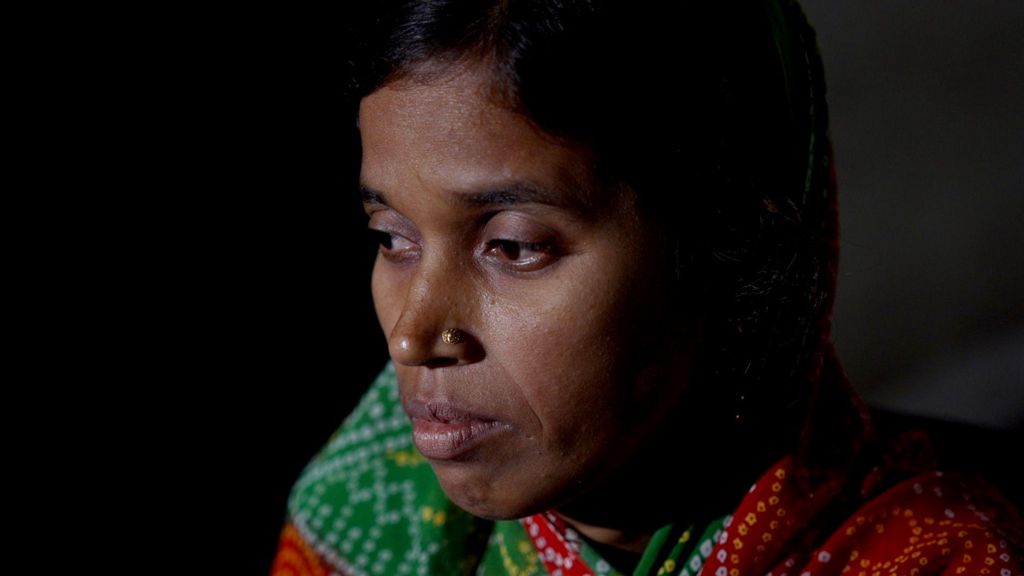
In 2016, Bihar, India’s poorest state, implemented a statewide alcohol ban to combat addiction, domestic violence, and financial distress among its most vulnerable families. Nine years later, the policy’s effectiveness remains a contentious issue, with enforcement gaps and a thriving black market undermining its intended goals. A recent BBC investigation highlighted these challenges during a raid on an illegal distillery near Patna, where officials discovered a makeshift setup fermenting jaggery into country liquor. Despite the raid, the perpetrators had fled, underscoring the persistent issue of tip-offs and collusion. Since the ban’s inception, 1.1 million cases have been registered, with 650,000 convictions, but over 99% of these are for consumption rather than production or distribution. The black market continues to flourish, with illicit alcohol worth over 522 million rupees seized in the six weeks leading up to the recent state elections. Enforcement is further complicated by Bihar’s geography, bordering states where alcohol is legal and a porous 726km border with Nepal, a key conduit for smuggling. Despite these challenges, many women, including Lalmunni Devi, who lost her husband to toxic liquor in 2022, advocate for the ban’s continuation, citing its positive impact on household finances and family well-being. However, critics argue that the policy has merely driven the problem underground, with unintended consequences such as bootlegging and deaths from illicit brews. As Bihar’s outgoing government prepares to return to power, the alcohol ban remains a paradox—hailed as a social reform by some and criticized as ineffective by others. The question of whether it has succeeded or merely shifted the problem persists, leaving the state grappling with its complex legacy.