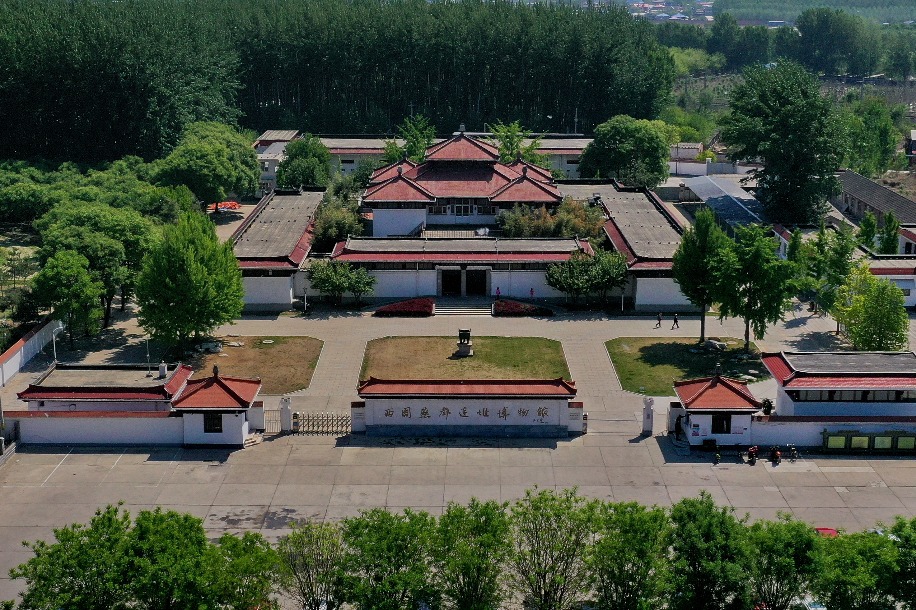
The Liulihe archaeological site in Beijing’s Fangshan district has been designated as the city’s next World Heritage project, according to Chu Jianhao, deputy director of the Beijing Cultural Heritage Bureau. The announcement was made during a press conference on October 29, 2025. The site, which is the largest and most extensively excavated Western Zhou Dynasty (c. 11th century-771 BC) feudal site in China, will draw inspiration from the successful UNESCO World Heritage designation of Beijing’s Central Axis, achieved on July 24, 2024, after more than a decade of preparation. Chu highlighted that the Liulihe project has already adopted strategies from the Central Axis initiative, particularly in its application for World Cultural Heritage status. Advanced technologies such as big data and digital twins are being utilized to enhance the site’s preservation and research efforts. For instance, the creation of a digital twin for the Central Axis has established a comprehensive spatial data framework for monitoring and protecting heritage elements. Collaboration with internet companies has further integrated digital technology into cultural heritage protection and World Heritage applications. Since 2021, Beijing has established a dedicated task force for the development of the Liulihe National Archaeological Site Park. The protection plan for the site has been approved and implemented, with ongoing excavations yielding significant discoveries, including the inscription ‘Tai Bao Yong Yan,’ which provides evidence of Beijing’s 3,000-year history. Researchers have also reconstructed a family tree from the Shang and Zhou dynasties using whole-genome sequencing, marking a breakthrough in understanding the Western Zhou Yan state’s social structures. The site has been added to China’s tentative list for World Cultural Heritage, with preparatory work for its nomination progressing steadily.