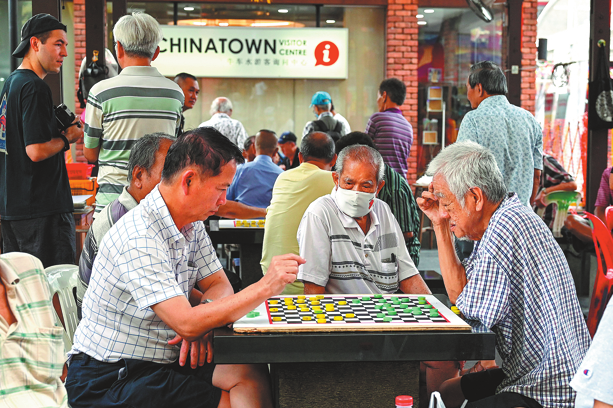
As Singapore rapidly transitions into a super-aged society, experts are advocating for a shift from family-centric caregiving to community-based models. With over 21% of the population expected to be aged 65 or older by 2026, the need for innovative eldercare solutions is more pressing than ever. Paulin Straughan, director of the Centre for Research on Successful Ageing (ROSA) at Singapore Management University, emphasizes that relying solely on migrant domestic workers is unsustainable. Instead, fostering local talent and community involvement is crucial. Initiatives like the ElderAid program by the Singapore Red Cross, which connects volunteers like Peh Kim Hiok with seniors in need, exemplify this approach. Peh, a 62-year-old homemaker, has been visiting three seniors monthly, offering companionship and support. Her story highlights the growing trend of seniors helping seniors, redefining caregiving beyond familial ties. The government is also stepping up efforts with projects like ‘Age Well Neighborhoods,’ which aim to enhance community infrastructure and care services. These include community care apartments, active aging centers, and shared stay-in senior care services. Despite these advancements, challenges remain. About 30% of older adult caregivers report chronic health conditions, underscoring the need for programs to support their physical and mental well-being. Christopher Gee, deputy director of the Institute of Policy Studies, stresses the importance of nurturing a ‘we-first’ society, where caregiving is a collective responsibility. Tools like the Healthy 365 app, which incentivizes health targets, could serve as models for promoting pro-social behaviors. The Silver Generation Office (SGO) has also expanded its network of ambassadors to nearly 9,000, leveraging digital engagement to reach tech-savvy seniors. As Singapore grapples with its aging population, the call for a community-driven caregiving model grows louder, offering a sustainable path forward.