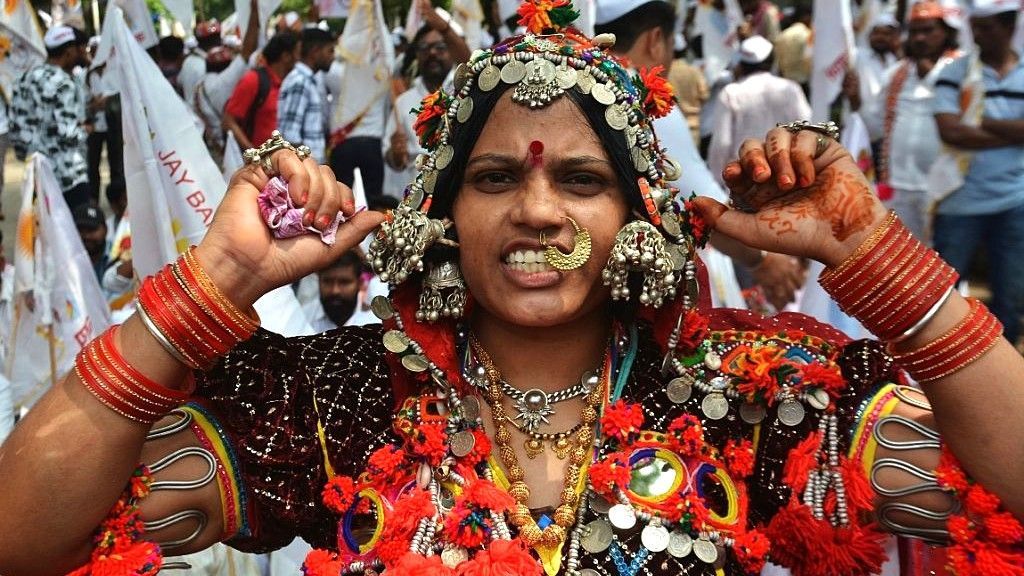
India’s caste system, a deeply entrenched social hierarchy, continues to shape the nation’s socio-political landscape. The upcoming 2027 national census will mark a historic shift by including a full enumeration of castes for the first time in nearly a century. This move, driven by political pressure and demands for equitable distribution of government benefits, aims to provide a clearer picture of who benefits from affirmative action and who remains marginalized. However, the initiative has sparked intense debate among scholars and activists. Anand Teltumbde, a prominent scholar-activist, warns that counting castes risks legitimizing and perpetuating the very system it seeks to address. In his provocative book, *The Caste Con Census*, Teltumbde argues that caste is inherently hierarchical and defies measurement, echoing B.R. Ambedkar’s call for the annihilation of caste rather than its management. Critics like Teltumbde fear that the census could be exploited by political parties to redraw quotas or fuel caste-based resentment, further entrenching inequality. On the other hand, proponents such as sociologist Satish Deshpande and economist Mary E John view the census as a necessary tool for achieving social justice. They argue that reliable caste data can expose both privilege and deprivation, enabling more targeted welfare policies. Political scientist Sudha Pai suggests that linking caste data to income and educational indicators could shift India from a caste-based to a rights-based welfare system. Yet, challenges abound, from the complexity of data collection to the risk of solidifying caste identities. As India prepares for this monumental exercise, the question remains: Will the caste census pave the way for social justice, or will it deepen the divisions it seeks to address?