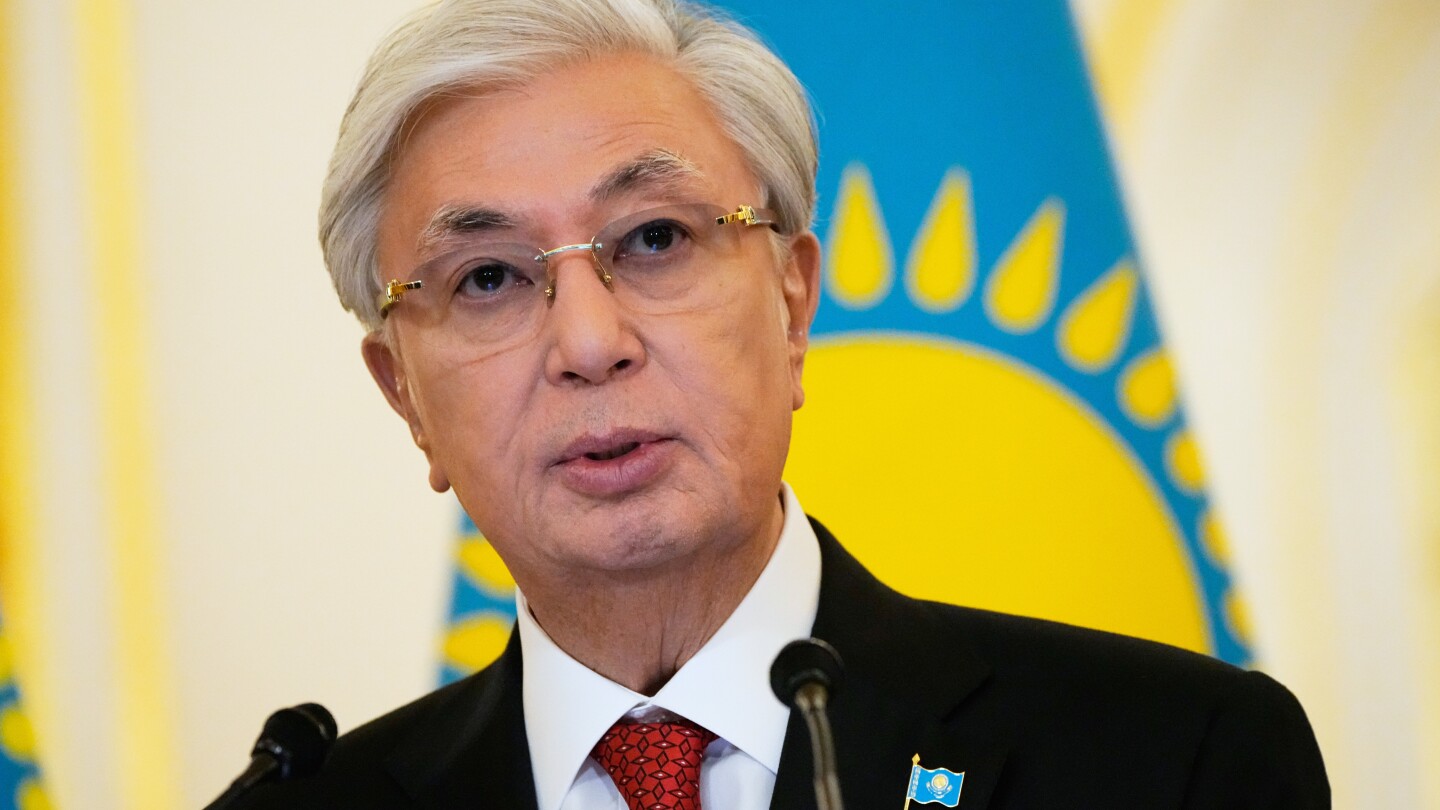
Kazakhstan’s lower house of parliament has passed a controversial bill aimed at prohibiting what authorities describe as the ‘propaganda’ of LGBTQ+ relations. The legislation, approved on Wednesday, has drawn sharp criticism from human rights advocates, who argue it will further marginalize the country’s LGBTQ+ community. According to an official statement, the bill seeks to ‘protect children from content deemed harmful to their health and development.’ It explicitly bans the dissemination of information promoting non-traditional sexual orientations or pedophilia through public channels, media, telecommunications networks, and online platforms. Deputy Culture Minister Evgeny Kochetov clarified that any public endorsement of LGBTQ+ identities would be classified as ‘propaganda,’ including statements suggesting that being LGBTQ+ is preferable to being heterosexual. Content related to LGBTQ+ issues, such as books or films, that does not contain such messaging will be restricted to audiences aged 18 and above. Violators of the law face severe penalties, including hefty fines or imprisonment. The bill now awaits approval from the Senate and President Kassym-Jomart Tokayev, who has emphasized the importance of upholding ‘traditional values’ in the predominantly Muslim nation. Critics, including Kazakhstani LGBTQ+ group Queer.KZ and international organizations like Human Rights Watch, have condemned the legislation, warning it violates fundamental human rights and exacerbates the vulnerability of LGBTQ+ individuals. Despite Kazakhstan’s decriminalization of homosexuality in 1998 and allowance for gender marker changes in 2003, the country lacks anti-discrimination laws protecting LGBTQ+ individuals, who often face violence, threats, and systemic discrimination.