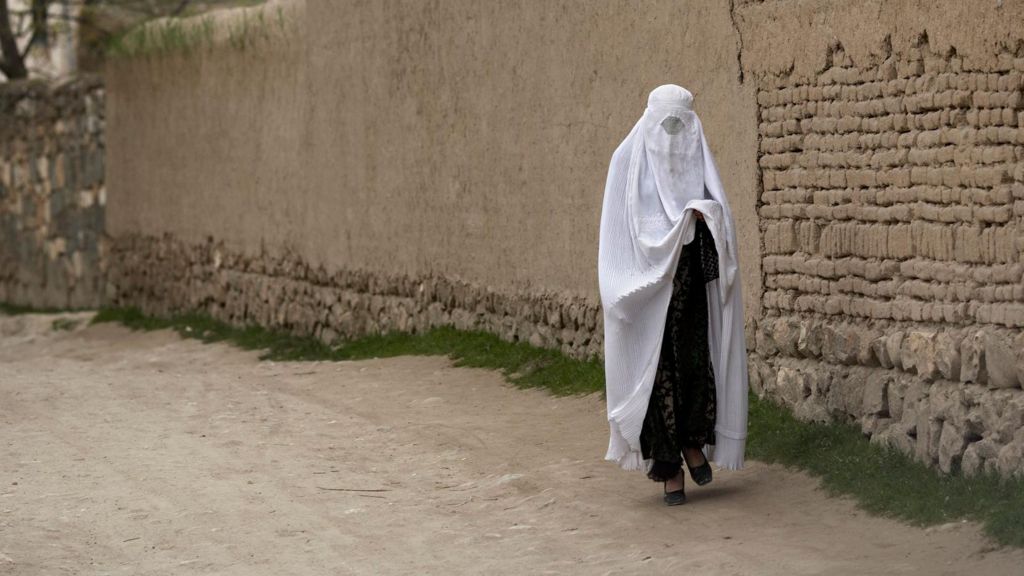
In a concerning development, the Taliban authorities in Afghanistan have mandated that women, including patients, caretakers, and staff, must wear a burka—a full Islamic veil—to access public health facilities in Herat, a western city. This directive, reported by the medical charity Médecins Sans Frontières (MSF), took effect on November 5. According to Sarah Chateau, MSF’s programme manager in Afghanistan, these restrictions are severely limiting women’s access to healthcare, even for those requiring urgent medical attention. MSF noted a 28% decline in admissions for urgent cases at Herat Regional Hospital in the initial days of enforcement. Taliban members stationed at hospital entrances have reportedly denied entry to women not wearing the burka. However, a Taliban spokesperson dismissed these claims, stating that the ministry’s stance focuses on hijab, not the burka, and denied allegations of women being barred from medical centers. Activists and social media users have criticized the move, with some women in Herat reportedly burning burkas in protest. The Taliban’s return to power in 2021 has seen numerous restrictions on women’s rights, including bans on education and employment, which the UN has labeled as ‘gender apartheid.’ The recent enforcement of the burka in Herat marks a significant escalation in these policies, raising alarm among human rights advocates.