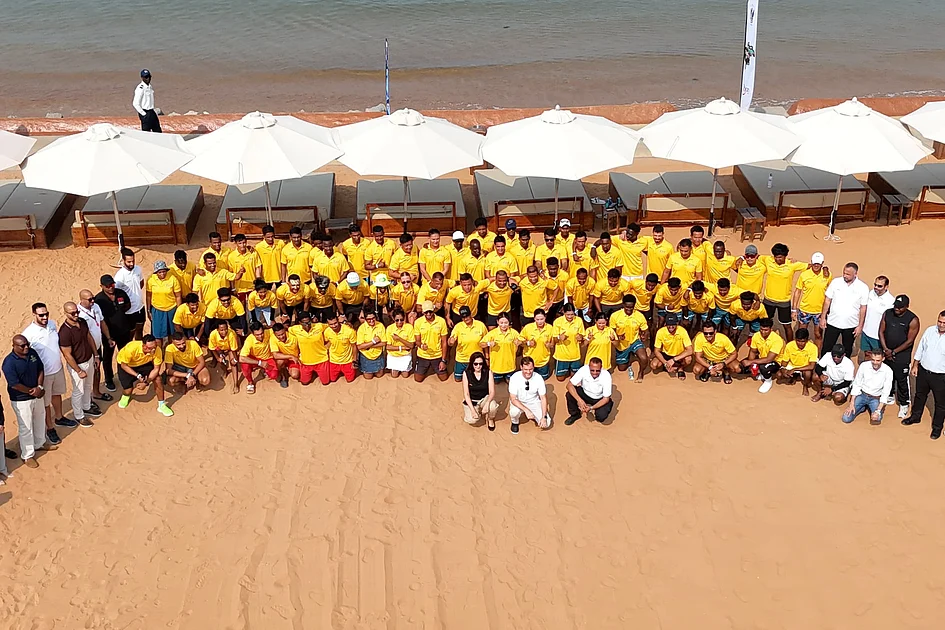
Lifeguards in the UAE are facing significant challenges, including language barriers and unrelated duties, which experts say could compromise their ability to ensure safety at aquatic facilities. Professionals and safety authorities across the country are emphasizing the need for continuous training, vigilance, and clear communication to address these issues. Charne Schnetler, Client Service Director at Ellis & Associates, highlighted the importance of lifeguards remaining focused on swimmer surveillance rather than being distracted by tasks like taking orders or setting up pool furniture. ‘A lifeguard who doesn’t see someone in distress can’t rescue them,’ Schnetler said. Emma Jane Forrest, Business Development Director at the same organization, added that regulations now reinforce the connection between training and readiness, mandating at least four hours of in-service training per month. ‘Consistent, ongoing training is what determines whether a lifeguard can react effectively when it counts,’ Forrest noted. Ahmed El Sandoby, Senior Safety Officer at Dubai Municipality, explained that the emirate’s beaches operate under a comprehensive safety framework, including a colour-coded flag system, trained lifeguards, and clear signage. Despite these measures, communication remains a persistent challenge, particularly with non-Arabic-speaking tourists. Omar Al Sultan, Lifeguard Operations Manager at Khidmah, said that language barriers can delay quick responses during emergencies. To address this, Khidmah prioritizes recruiting multilingual lifeguards and conducts weekly drills and international certification programmes. Beyond Dubai, progress is being made in other emirates like Ras Al Khaimah, where initiatives like the Champs of the Beach Lifesaving Competition are promoting water safety and professional excellence among lifeguards.
Language barriers, unrelated duties: What are the challenges UAE lifeguards face?