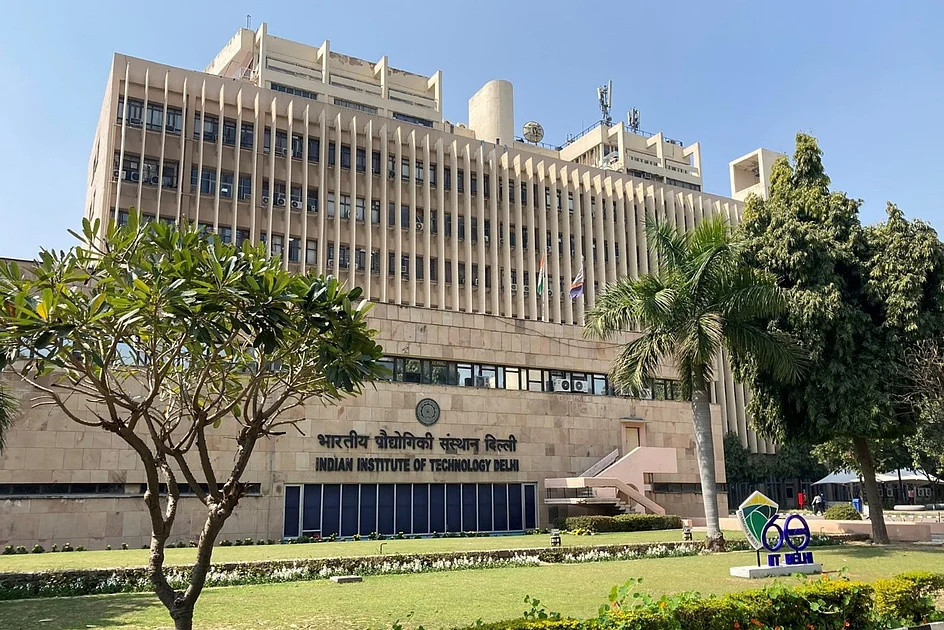
India has solidified its status as Asia’s premier research and innovation hub, according to the QS World University Rankings: Asia 2026. The 17th edition of the rankings, featuring 1,529 universities across 25 higher education systems, highlights India’s growing academic influence, particularly in research productivity, faculty strength, and employability outcomes. With 294 ranked universities, including 137 new entrants, India is now the second most represented higher education system in Asia, trailing only China. The Indian Institute of Technology Delhi (IITD) leads the pack, ranking 59th in Asia, followed by the Indian Institute of Science (64th) and IIT Madras (70th). India boasts seven universities in Asia’s top 100, 20 in the top 200, and 66 in the top 500, driven largely by research productivity. Maulana Abul Kalam Azad University of Technology, West Bengal, ranks first in Asia for research productivity, with Bharathiar University and the Indian Institute of Science following closely. India also excels in the Staff with PhD category, with 45 universities in Asia’s top 100. Jessica Turner, CEO of QS Quacquarelli Symonds, noted that India’s higher education transformation is now visible in measurable outcomes, with the country positioning itself as a global knowledge leader. Delhi has been recognized as the world’s most affordable student city, further enhancing India’s appeal as a study destination. Despite trailing in internationalisation metrics, India’s top institutions continue to excel in Employer Reputation, with IIT Bombay leading the charge. Experts suggest that strategic global partnerships and cross-border research programs will be crucial for India to bridge the gap in internationalisation in the coming years.