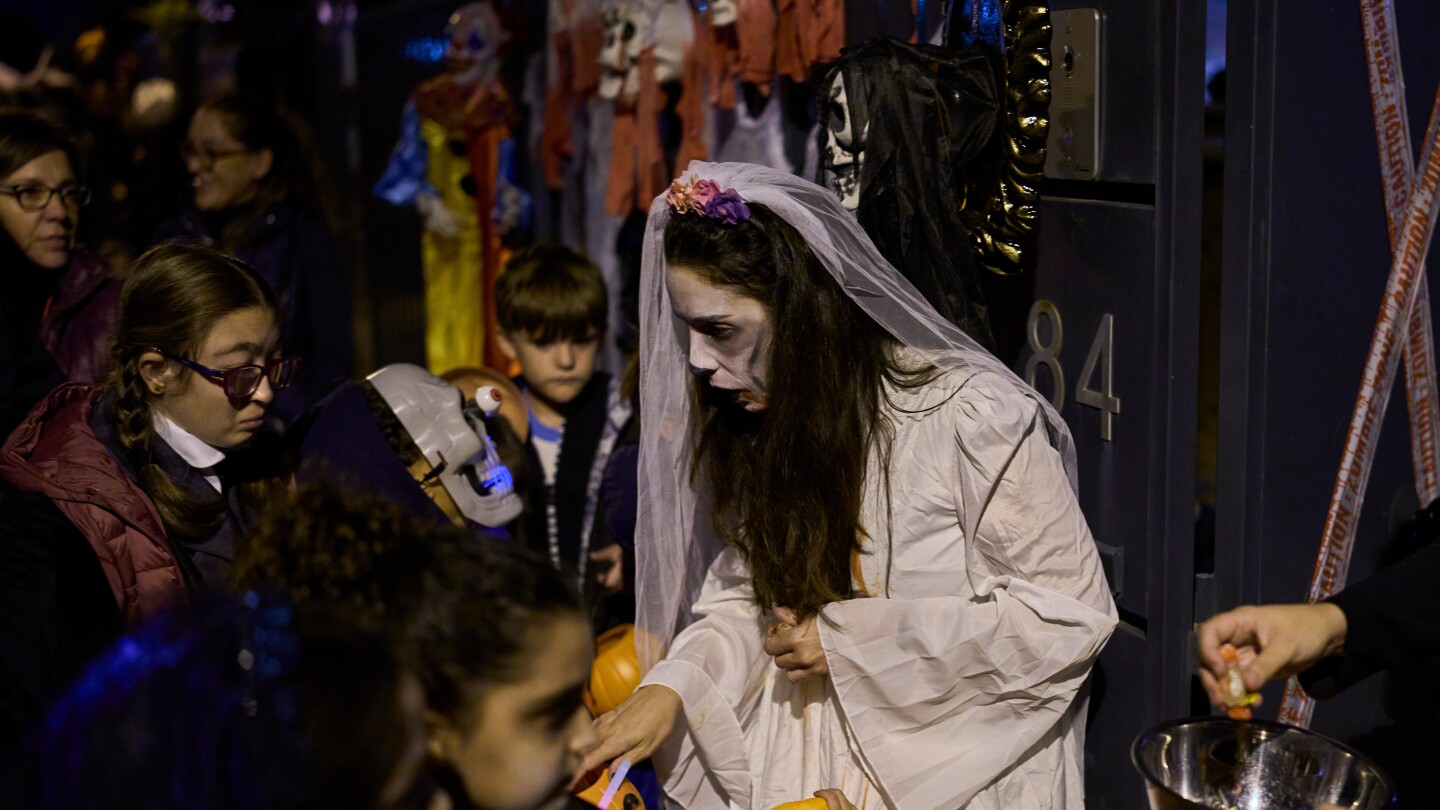
As darkness fell across Spain, streets came alive with skeletons, ghosts, and monsters celebrating Halloween, a stark contrast to the solemnity of All Saints’ Day observed by older generations the following morning. While younger Spaniards embraced the commercialized festivities rooted in the pagan festival of Samhain, their elders flocked to cemeteries to honor deceased loved ones, cleaning graves and laying flowers—a centuries-old Catholic tradition now overshadowed by Halloween’s growing popularity. This cultural shift reflects a broader trend of secularization and Americanization, as younger generations increasingly adopt globalized customs over ancestral practices. Sociologist José Bobadilla, an expert in cultural and religious diversity, notes that this transformation diminishes the original purpose of remembering the departed. In Madrid’s Almudena cemetery, the largest in Spain, early morning visitors like 69-year-old Alicia Sánchez lamented the fading interest in traditional observances. Meanwhile, towns like Paracuellos de Jarama have fully embraced Halloween, with elaborate decorations, haunted attractions, and trick-or-treating. Families like Miguel Izquierdo’s have turned their homes into festive spectacles, prioritizing fun and community over cultural heritage. While some, like 68-year-old Antonia Martín, participate for their grandchildren, they remain ambivalent about the holiday’s place in Spanish tradition. This evolving celebration highlights a generational divide and the ongoing tension between preserving cultural identity and embracing global influences.
Halloween and a declining Christian tradition coexist on All Saints’ Day in Spain