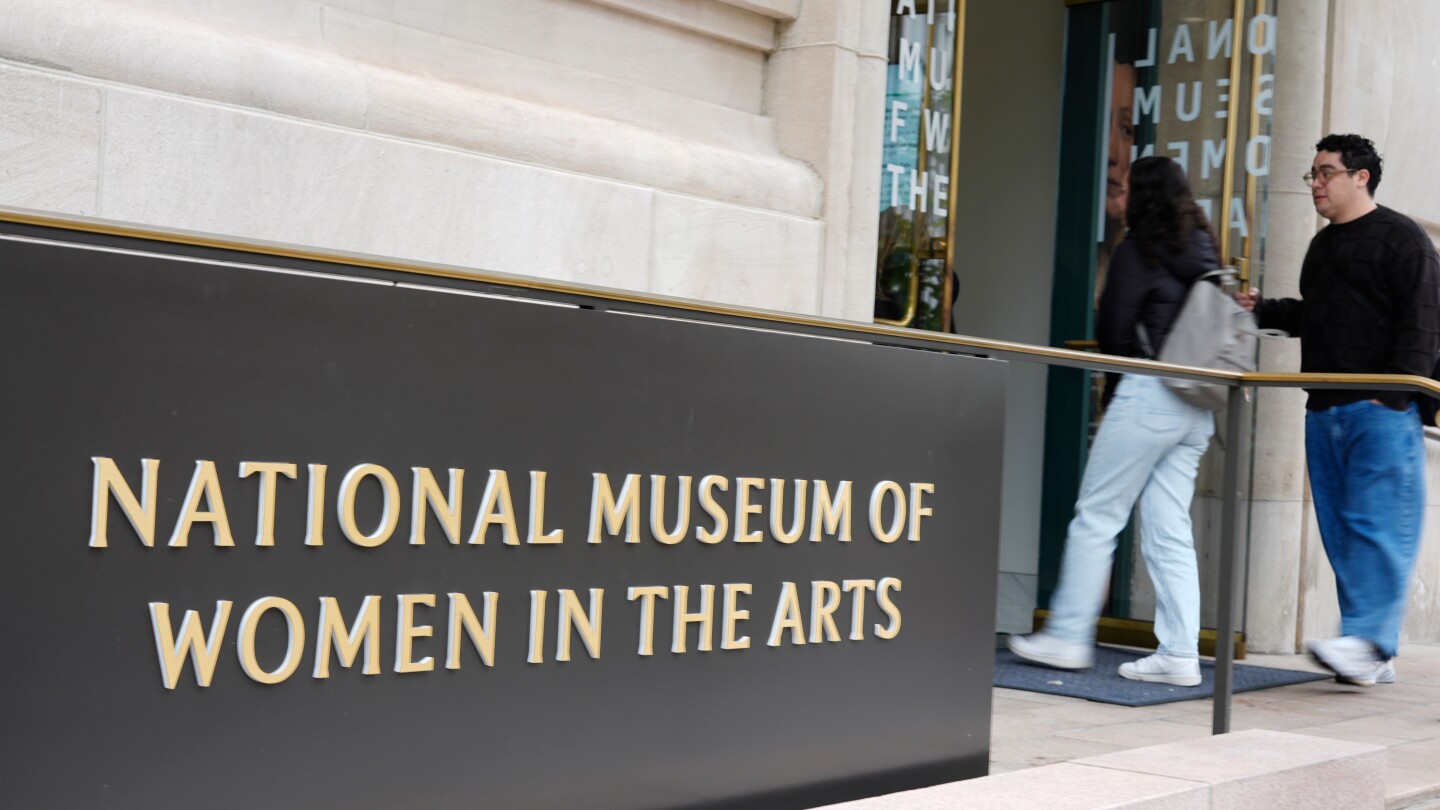
In the wake of a high-profile jewelry heist at the Louvre in Paris, museums worldwide are reassessing their security protocols. The incident has sparked urgent discussions among institutions, including Washington’s National Museum of Women in the Arts, the Smithsonian, and the National Gallery of Art. Doug Beaver, a security specialist, revealed that detailed reviews and strategic plans were swiftly implemented following the theft. Similar dialogues are unfolding globally as museums grapple with the dual challenge of safeguarding art while maintaining an open and welcoming environment for visitors. The Louvre’s director, Laurence des Cars, acknowledged significant security lapses, prompting French police and legislators to address vulnerabilities. A letter of support from 57 international museums, published in Le Monde, emphasized the importance of museums as accessible spaces of wonder, not fortresses. However, many museums, particularly those housed in historic buildings like the Louvre, face unique challenges in modernizing security without compromising their architectural integrity. Experts like François Chatillon, France’s chief architect of historical monuments, caution against hasty, invasive measures. Meanwhile, security professionals are focusing on balancing risk management with visitor experience. Doug Beaver highlighted the need for intelligent risk management, citing measures such as enhanced weapons detection and restricted visitor items. The incident has also reignited discussions about international cooperation and investment in advanced security technologies. Despite these efforts, the broader challenge remains: preserving the magic of museums while ensuring their safety.
Louvre heist highlights thorny issue for museums: How to secure art without becoming fortresses