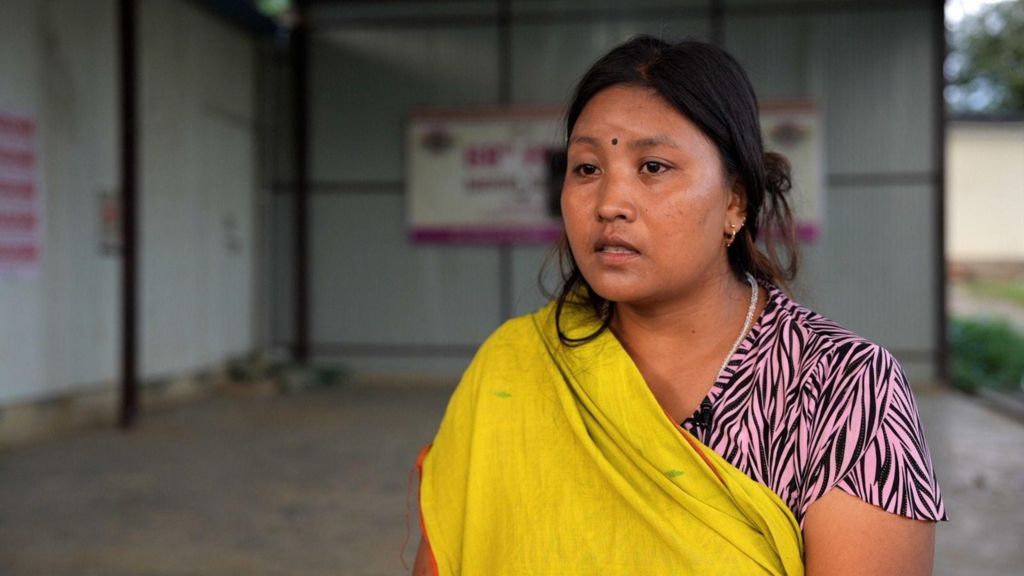
Thousands of individuals displaced by ethnic violence in Manipur, India, are grappling with an uncertain future as the government plans to shut down all temporary relief camps by December. The clashes, which erupted in May 2023 between the majority Meitei and the indigenous Kuki communities, marked the region’s worst violence in decades. The conflict began when the predominantly Christian Kuki community protested against the Meiteis, mostly Hindus, who sought official tribal status to access government benefits and job quotas. The violence claimed at least 260 lives and displaced approximately 60,000 people, many of whom remain in temporary shelters. Despite repeated government promises of rehabilitation, little progress has been made, leaving many in a state of limbo—homeless and without stable income. In July, the state’s Chief Secretary announced the closure of all relief camps by December, with plans to resettle displaced individuals in pre-fabricated housing units. However, the lack of clarity regarding the location of these units has heightened anxieties. Prime Minister Narendra Modi’s announcement of 7,000 new homes during his September visit to Manipur offered little reassurance, as details remained vague. On the ground, Manipur remains sharply divided, with Meiteis inhabiting the Imphal Valley and Kukis residing in the surrounding hill districts. Security forces patrol buffer zones to prevent intermingling, further deepening divisions. Experts emphasize the importance of resettling people in their original neighborhoods to prevent the violence from redrawing Manipur’s social map. Many displaced individuals fear that moving into temporary housing may permanently sever their ties to their homes. For instance, Hatnu Haokip, a 22-year-old living in a relief camp, yearns to return to her village in the Imphal Valley but feels unsafe due to the presence of Meitei people. She and others advocate for Kuki autonomy within a federally-administered territory. Meanwhile, Meiteis express a desire to return home, with individuals like Irom Abung vowing to reclaim their land despite the challenges. The government insists its resettlement plan is on track, having reduced the number of camps from 290 to 260. However, concerns persist over the lack of facilities and mental health support in the camps. Single mother Nemhoichong Lhungdim shared her struggle to afford medical treatment for her son, while Salam Monika recounted her uncle’s suicide due to despair over livelihood opportunities. Those resettled into temporary housing, like Chingakham Radha, continue to face financial hardships, relying on small incomes from activities like crocheting dolls. As the December deadline approaches, the future remains uncertain for thousands of displaced families in Manipur.
‘Can’t go back’ – families in violence-hit Indian state fear resettlement deadline