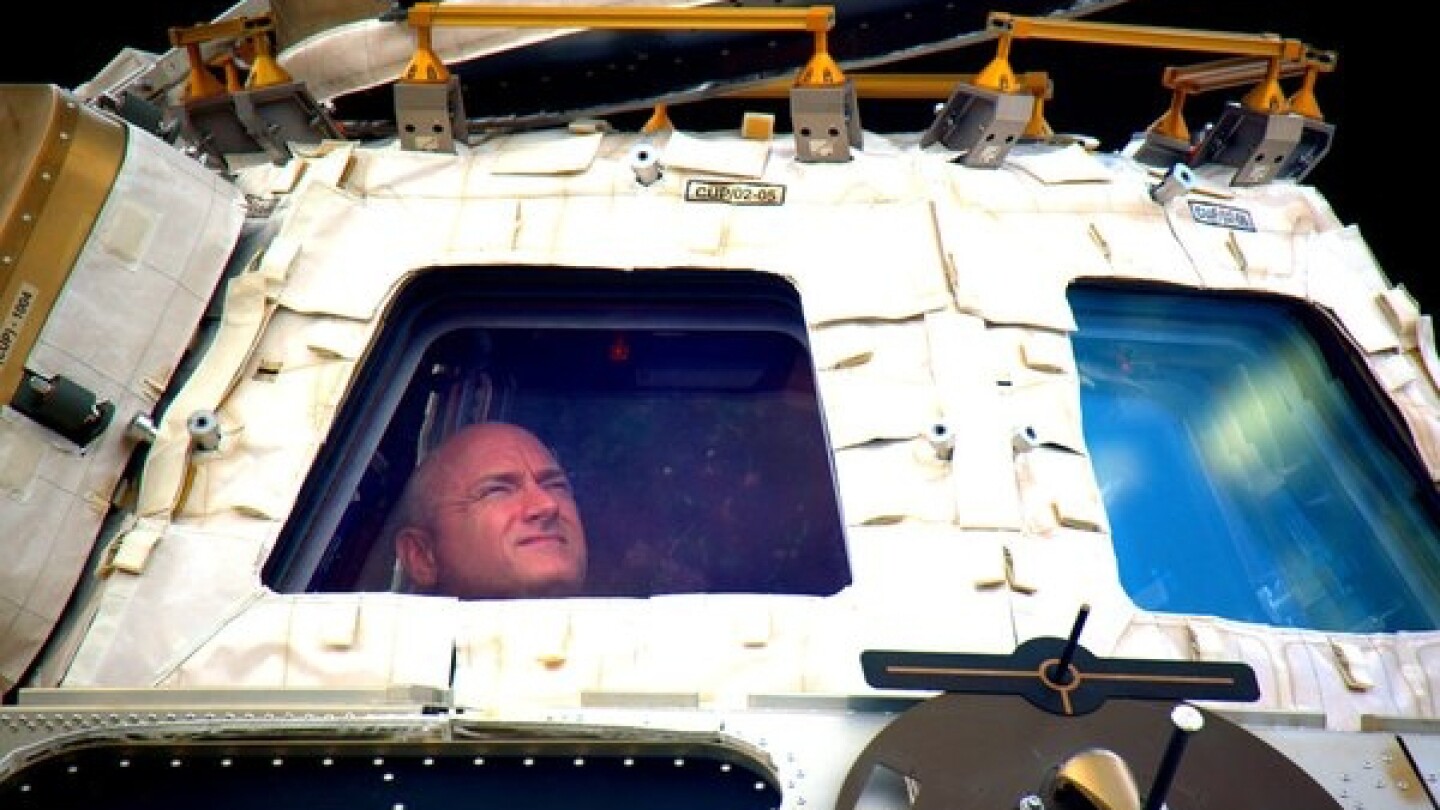
CAPE CANAVERAL, Fla. — This weekend marks a monumental milestone in space exploration: 25 years of uninterrupted human habitation aboard the International Space Station (ISS). Since its first crew arrived on November 2, 2000, the ISS has hosted nearly 300 individuals from 26 countries, including professional astronauts, space tourists, and even a movie director. The pioneering trio of NASA’s Bill Shepherd and Russia’s Sergei Krikalev and Yuri Gidzenko laid the foundation for this extraordinary achievement, transforming the station into a functional and hospitable environment. Despite geopolitical tensions between the U.S. and Russia, collaboration in space remains strong, a testament to the unifying power of space exploration. Over the years, the ISS has evolved from a rudimentary outpost to a state-of-the-art facility, complete with advanced labs, an internet phone, and a glassed-in cupola offering breathtaking views of Earth. Astronauts have conducted thousands of experiments, including groundbreaking medical research and the famous twins study involving Scott and Mark Kelly. However, life aboard the ISS is not without challenges. Astronauts have faced close calls, such as a near-drowning incident, persistent air leaks, and the growing threat of space debris. As the ISS approaches its planned decommissioning in 2031, NASA is working with private companies like SpaceX and Axiom Space to ensure a seamless transition to future orbital stations. SpaceX has been tasked with safely deorbiting the ISS, while Axiom plans to repurpose its module into a new space station. NASA’s goal is to maintain a continuous human presence in orbit, ensuring that the legacy of the ISS endures.
The International Space Station marks 25 years of nonstop human presence in orbit