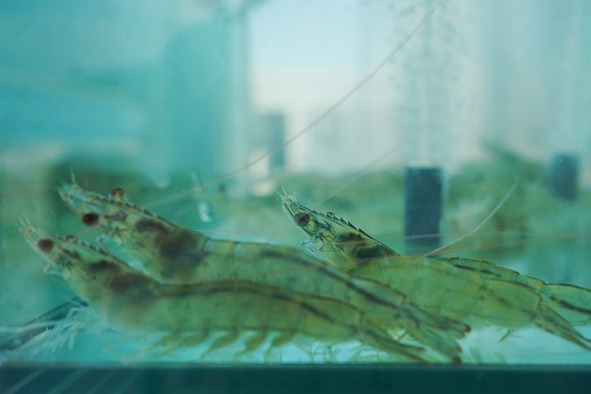
In a remarkable agricultural transformation, China’s arid and saline-alkali lands in Gansu province are now yielding bountiful ‘seafood’ harvests. Once deemed unsuitable for traditional farming, these lands have been repurposed into productive aquaculture ponds, thanks to innovative technological interventions. Farmers like Zhao Guohua, who once cultivated wheat, are now mastering the art of harvesting Pacific white shrimp and other aquatic species. This shift has not only revitalized the local economy but also restored ecological balance in the region. Jingtai county, a focal point of this initiative, has seen its aquatic product output exceed 2.1 million kilograms annually, generating over 50 million yuan in revenue and benefiting thousands of households. The success of this endeavor is attributed to advanced soil and water management techniques, supported by leading research institutions. Similar efforts are underway in Xinjiang, where desert saltwater resources are being harnessed to cultivate a diverse range of aquatic species, including crabs and rainbow trout. These inland aquaculture projects are rapidly gaining recognition, both domestically and internationally, under the banner of ‘desert seafood.’ Beyond economic gains, the initiative has brought environmental rejuvenation, with waterbirds returning and vegetation flourishing around the ponds. This pioneering approach exemplifies how technology and innovation can turn barren lands into thriving ecosystems and economic assets.