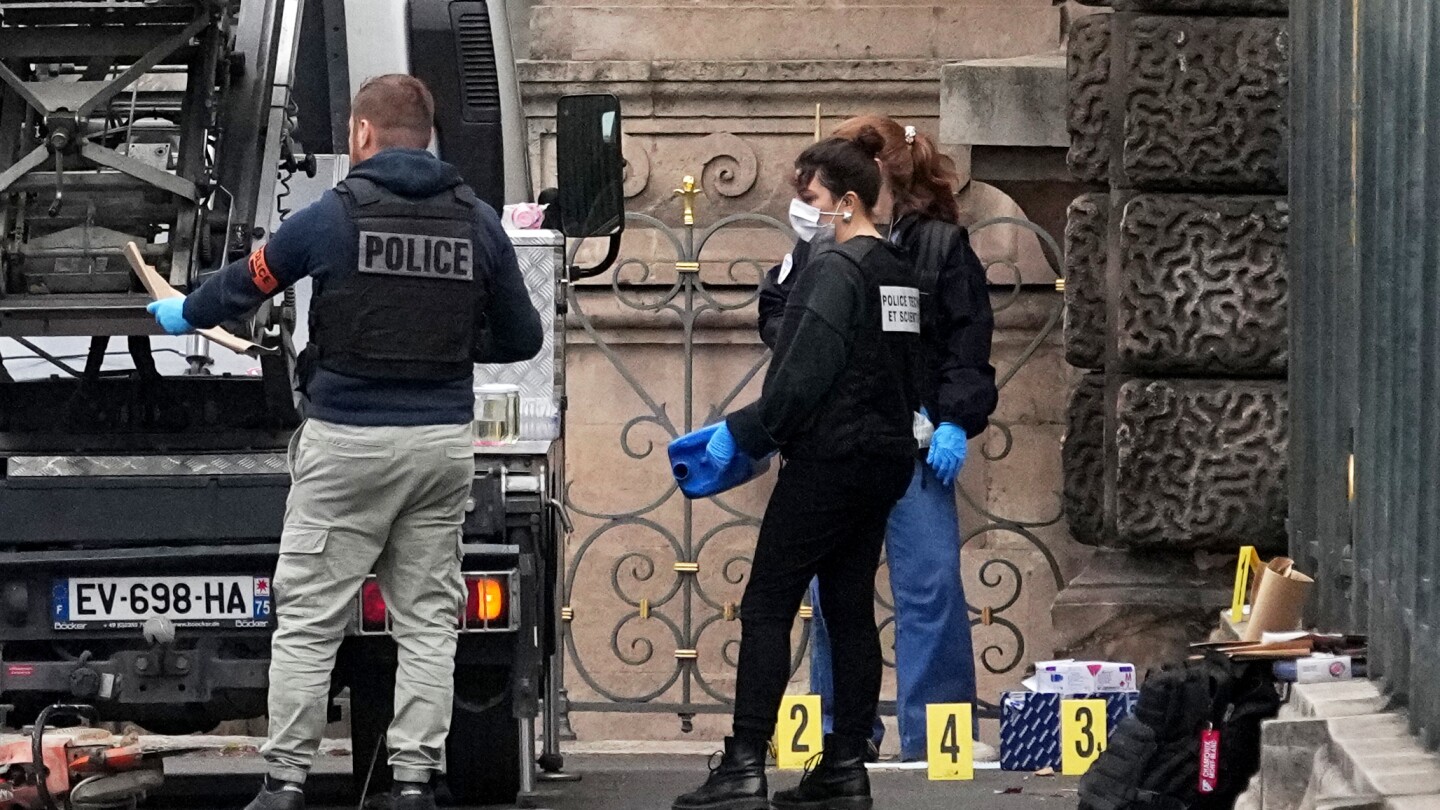
In a daring daylight heist at the Louvre Museum in Paris, thieves made off with eight priceless jewels, including a sapphire diadem, necklace, and earring linked to 19th-century queens Marie-Amélie and Hortense. The stolen items, estimated to be worth €88 million ($102 million), were taken on October 19, leaving investigators scrambling to piece together the audacious crime. Over 100 investigators are now combing through 150 DNA samples, surveillance footage, and other evidence to track down the culprits and recover the treasures. The case has captivated global attention for its brazen execution and cinematic details. French authorities have remained tight-lipped about the investigation, citing strict privacy laws and the principle of ‘secret d’instruction,’ which limits public disclosure of ongoing cases. Paris prosecutor Laure Beccuau confirmed that several arrests were made, including one suspect intercepted at a Paris airport while attempting to flee to Algeria. The suspects, whose identities remain undisclosed, could face charges of criminal conspiracy and organized theft, carrying hefty fines and lengthy prison sentences. French media reports suggest that the suspects may be held for up to 96 hours before formal charges are filed. The investigation has also involved international cooperation, with the stolen jewels added to Interpol’s Stolen Works of Art Database. French authorities are working with Eurojust and Europol to facilitate cross-border investigations. However, updates on the case are expected to remain scarce, as French law prohibits the public disclosure of indictments and verdicts, and trials are not televised.