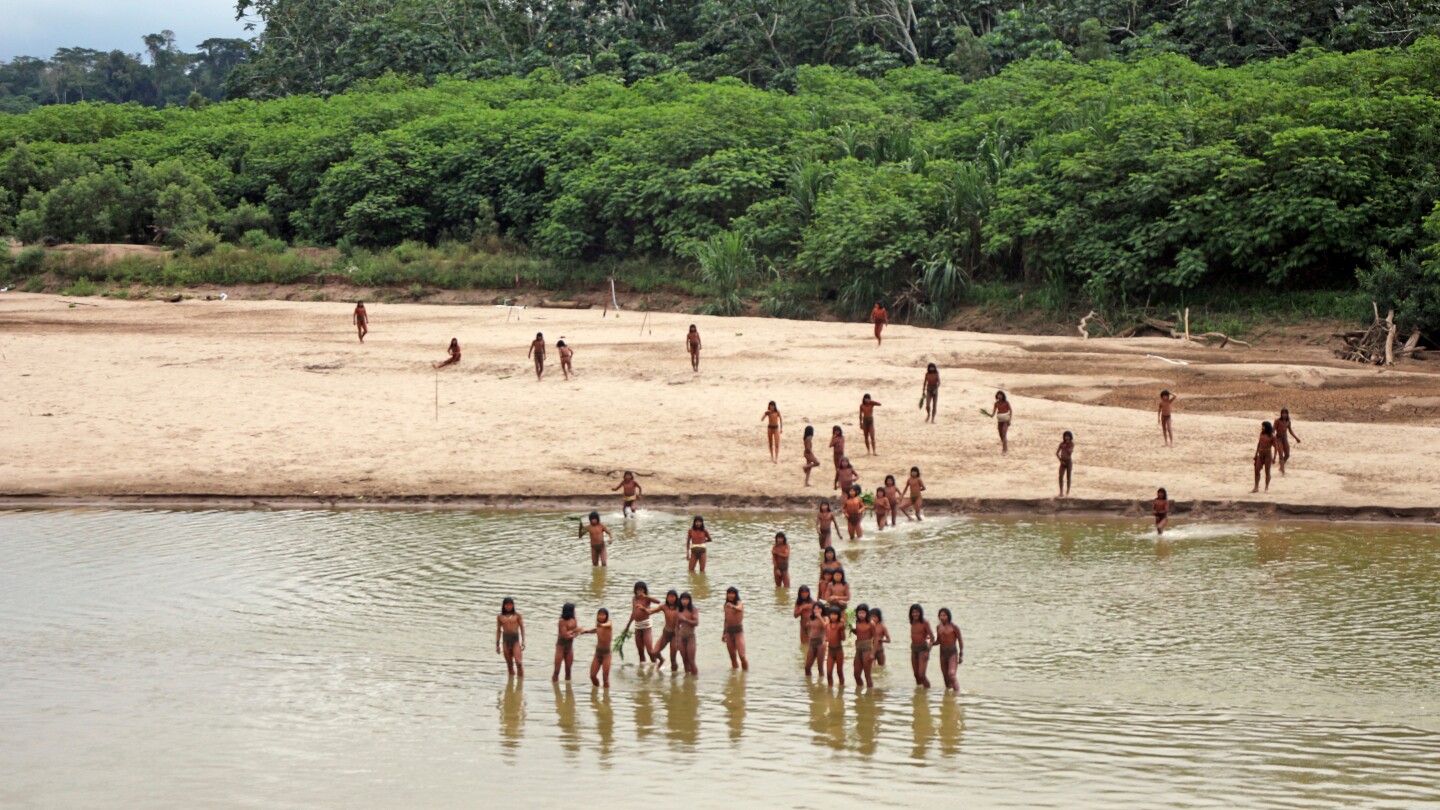
In the remote corners of the Amazon rainforest and the dense jungles of Indonesia, uncontacted Indigenous communities are facing an existential crisis. A recent report by Survival International, a London-based Indigenous rights organization, reveals that at least 196 uncontacted groups across 10 countries are under severe threat from logging, mining, agribusiness, and drug trafficking. The report, released on Sunday, estimates that 65% of these groups are endangered by logging, 40% by mining, and 20% by agribusiness. Fiona Watson, Survival’s research and advocacy director, describes these threats as “silent genocides,” unfolding far from public scrutiny or effective state protection. Uncontacted peoples, often misunderstood as “lost tribes,” are contemporary societies that deliberately avoid contact with outsiders due to historical violence, slavery, and disease. They thrive in their environments, maintaining ancient traditions and languages, and play a crucial role in preserving forests essential to combating climate change. However, their isolation makes them vulnerable to diseases like the flu, which can decimate entire communities. The report highlights the urgent need for stronger legal protections, no-contact policies, and global awareness to safeguard these communities. Governments and corporations must halt extractive activities in Indigenous territories, while consumers must ensure their purchases do not fund destruction. International treaties like the ILO’s Convention 169 and the U.N. Declaration on the Rights of Indigenous Peoples affirm their right to self-determination, but enforcement remains inconsistent. Survival International’s report calls for immediate action to prevent the extinction of these unique cultures, emphasizing that their survival is intertwined with the planet’s future.
What to know about uncontacted Indigenous peoples and efforts to protect them