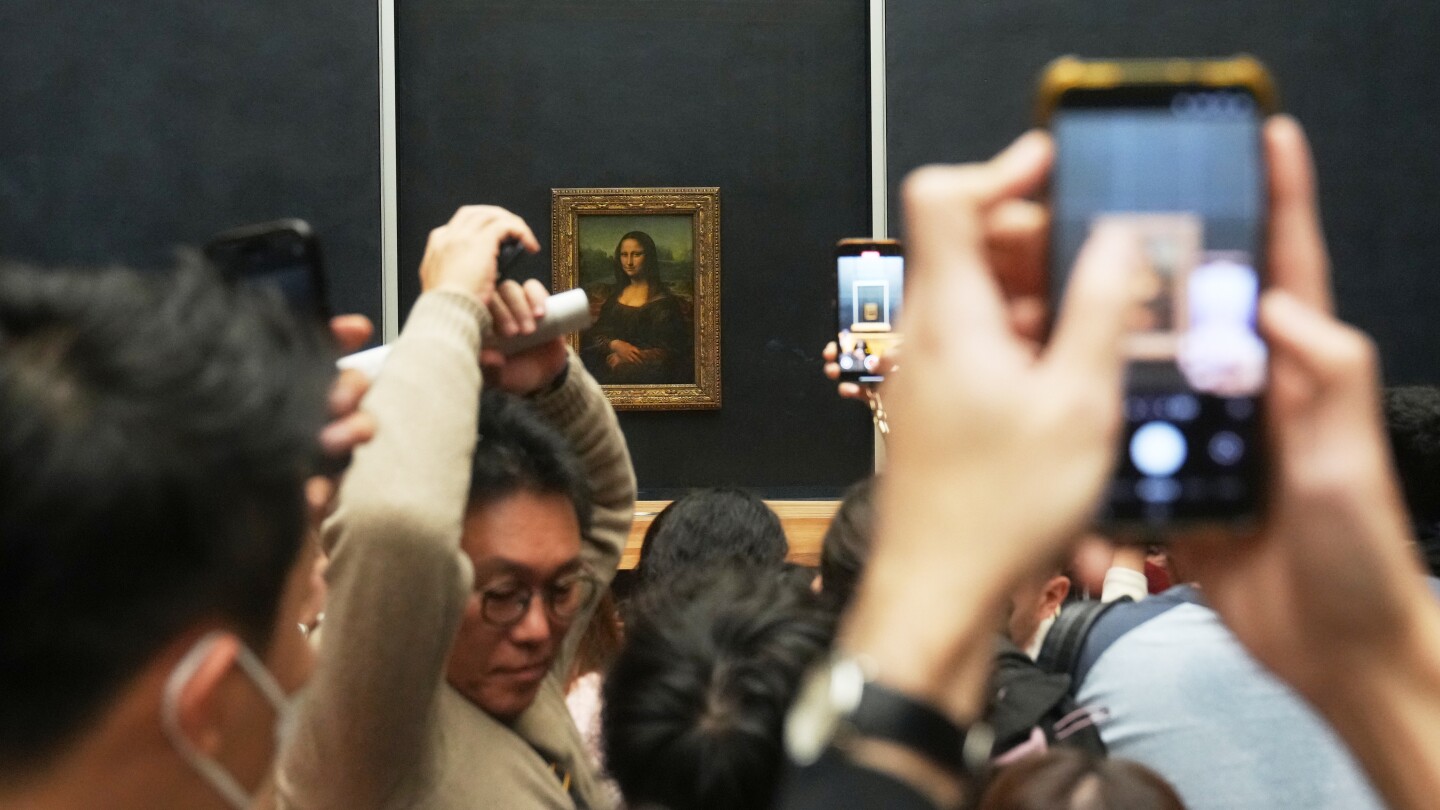
The recent robbery at the Louvre Museum in Paris has thrust France’s Crown Jewels into the global spotlight, an outcome no marketing campaign could achieve. While the nation mourns the breach of its national heritage, the crime has paradoxically elevated the stolen artifacts to celebrity status, reminiscent of how the theft of the Mona Lisa in 1911 transformed it into the world’s most famous artwork. The heist has captivated global media, with nightly newscasts from the U.S. to Asia broadcasting images of the Louvre’s Apollo Gallery and the missing jewels to millions. This surge of attention rivals, or even surpasses, the frenzy following Beyoncé and Jay-Z’s 2018 music video filmed at the museum. Among the treasures that escaped the thieves’ grasp is Empress Eugénie’s emerald-set crown, which may now become the gallery’s most talked-about relic. The Louvre reopened to maximum crowds just days after the robbery, despite the ongoing investigation and heightened security concerns. For France, the loss is not merely financial but a tear in the fabric of its national history. The jewels, which represent the transition from monarchy to modern France, are seen as chapters of the country’s past. Interior Minister Laurent Nuñez described the theft as an “immeasurable” heritage loss, while Louvre director Laurence des Cars acknowledged “a terrible failure” in security. The heist has drawn visitors to the museum, many of whom come to see the site of the crime rather than the missing artifacts. Curators warn that recutting or melting the jewels would be a second violence, as their authenticity lies in their unbroken history. Whether this loss will lead to legend remains the Louvre’s uneasy future.
The $100 million Louvre theft could make France’s stolen Crown Jewels as famous as the Mona Lisa