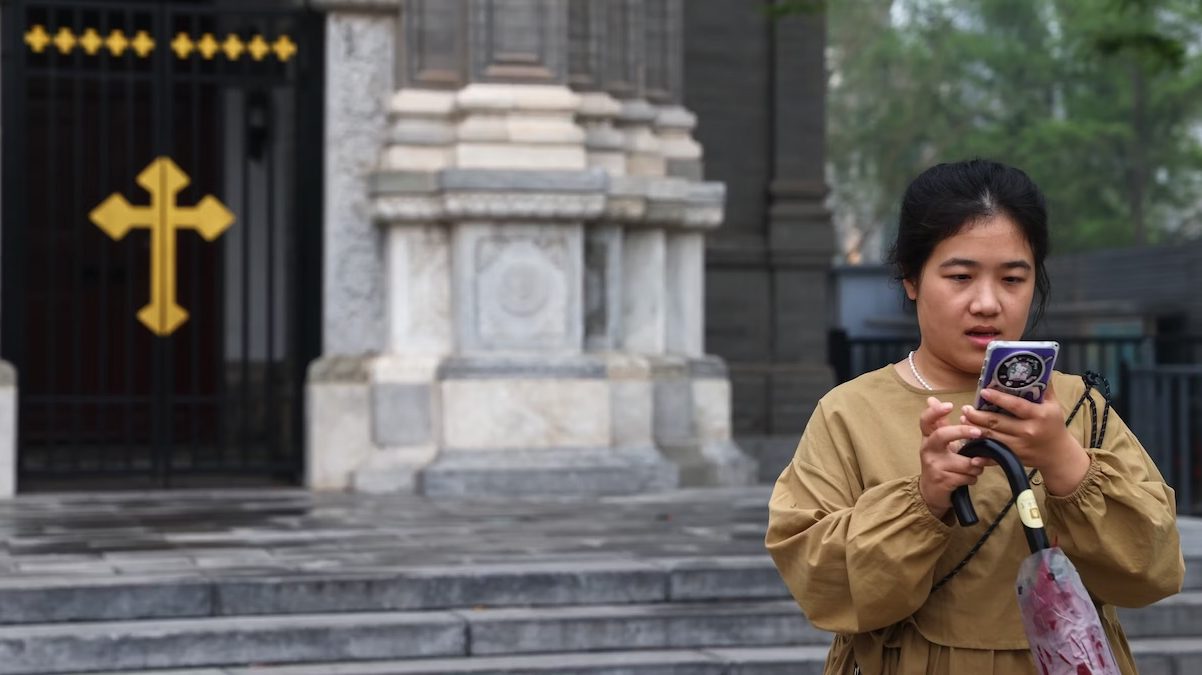
In a significant move, Chinese authorities detained Ezra Jin, the leader of the Zion Church, along with over 30 church staff, including pastors, on October 10. This marks one of the largest crackdowns on Christian churches in recent years, shedding light on Beijing’s ongoing efforts to regulate religious activities. The Zion Church, a prominent unregistered Christian congregation with widespread presence across China, has long been under government scrutiny. The timing of this crackdown is particularly notable, as it coincides with escalating tensions between China and the United States, suggesting that both domestic religious policies and international relations are influencing Beijing’s actions. China officially recognizes five religions—Buddhism, Daoism, Islam, Catholicism, and Protestantism—with Buddhism and Daoism considered indigenous and central to Han Chinese culture. Christianity, introduced to China centuries ago, has faced periods of tolerance and persecution. The 19th century saw significant growth in Chinese Christianity, fueled by Western missionaries, but this also led to xenophobic movements that contributed to the fall of the empire. After the establishment of the People’s Republic of China in 1949, foreign Christians were expelled, and state-controlled religious bodies were created. Dissatisfaction with these bodies led to the rise of unregistered churches, which have operated outside state control ever since. The Cultural Revolution (1966–1976) brought severe persecution of all religious practices, but Christianity persisted and experienced a resurgence in the more liberal 1980s. However, under President Xi Jinping’s leadership since 2013, China has adopted a stricter stance on religion, emphasizing the ‘Sinicization’ of faiths to align them with state ideology. Recent regulations have tightened control over religious sites, finances, and charitable activities, while the forcible removal of crosses and the imprisonment of prominent church leaders like Wang Yi underscore the severity of the crackdown. The close ties between some unregistered churches and U.S.-based evangelical groups have further complicated the situation, with repressive measures often intensifying during periods of strained U.S.-China relations. The recent crackdown on the Zion Church, whose founder’s daughter is a U.S. Senate staffer, appears to be a strategic signal to Washington. Unless bilateral relations improve, Chinese Christians may face continued repression.