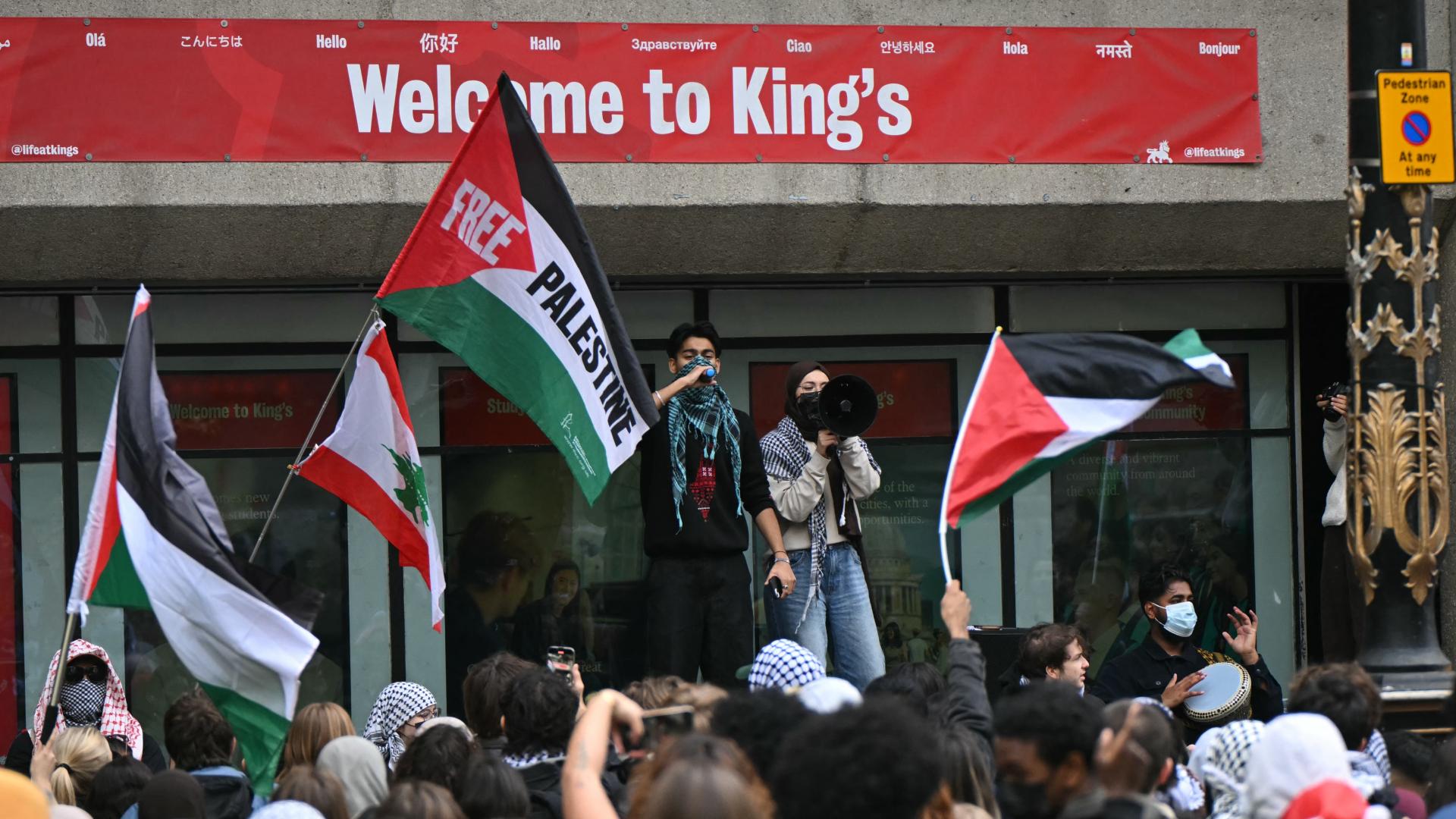
Usama Ghanem, a 21-year-old Egyptian student at King’s College London (KCL), is at risk of deportation and potential imprisonment and torture in Egypt following his suspension from the university due to his pro-Palestine activism. Ghanem, who studied international relations and co-founded the House of Wisdom society to promote campus debate, has been a vocal advocate for Palestinian rights, including campaigning for KCL to divest from companies profiting from Israel’s actions in Gaza. His activism led to three disciplinary hearings in 2024 and 2025, culminating in his indefinite suspension. This suspension prompted KCL to inform the UK Home Office, which subsequently canceled Ghanem’s student visa and issued a removal notice. Ghanem’s lawyers argue that the university violated his human rights and discriminated against him for his anti-Zionist beliefs. They also highlighted his history of torture and imprisonment in Egypt for opposing President Abdel Fattah el-Sisi, which led him to flee to the UK and develop PTSD. Despite KCL’s awareness of his traumatic past, the university has insisted he return to Egypt pending a review in August 2026. Ghanem expressed disbelief, stating that he never expected the university to send him back to a country where he faces grave risks. His case is part of a broader trend of UK universities cracking down on pro-Palestine activism, with institutions like KCL, LSE, and Manchester University issuing evictions and suspensions. KCL’s actions have drawn criticism, particularly given its past apologies for restricting free speech during a royal visit in 2019. Ghanem’s story underscores the tension between academic freedom and institutional responses to political activism.