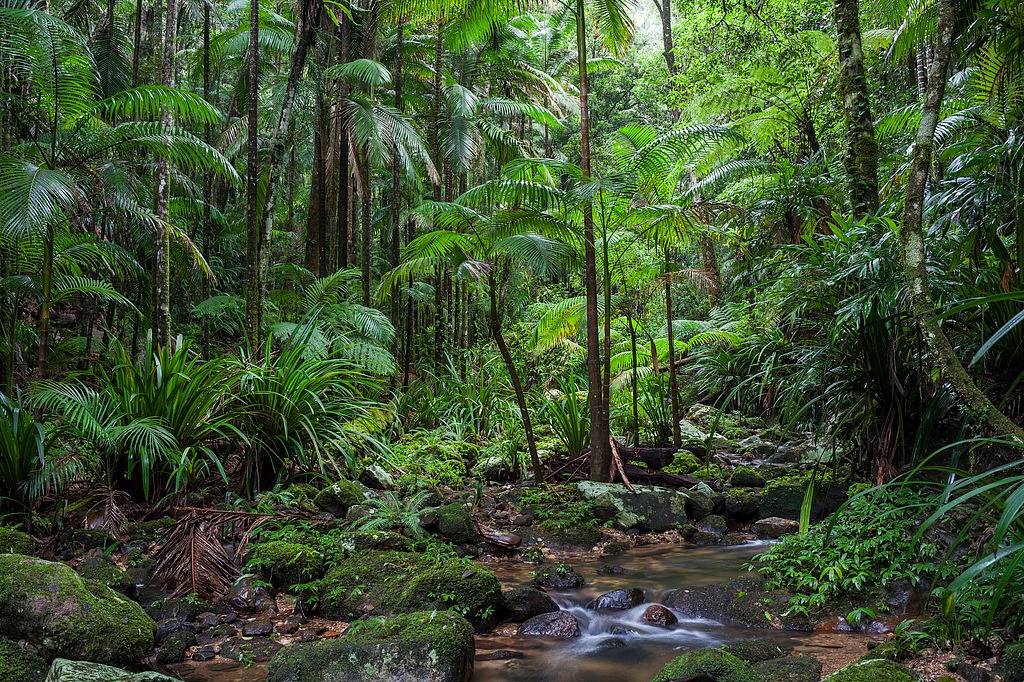
A groundbreaking study published in Nature has revealed that Australia’s tropical rainforests are now emitting more carbon dioxide than they absorb, marking a significant shift in their ecological role. This alarming trend, linked directly to climate change, positions these rainforests as the first of their kind globally to transition from carbon sinks to net carbon emitters. The research, led by Hannah Carle of Western Sydney University’s Hawkesbury Institute for the Environment, underscores the escalating vulnerability of these ecosystems to extreme temperatures, atmospheric dryness, and prolonged droughts. The study, which analyzed nearly five decades of data from Queensland’s rainforests, found that increased tree mortality has outpaced growth, resulting in a net release of carbon into the atmosphere. This contradicts the expected response of enhanced plant growth under higher carbon dioxide levels. The findings have profound implications for global emissions reduction strategies, which rely heavily on the carbon-absorbing capacity of forests. Carle warned that current climate models may overestimate the ability of tropical forests to offset fossil fuel emissions, especially as cyclones, exacerbated by climate change, further diminish their carbon sink potential. The study calls for urgent global monitoring of other tropical forests to assess similar risks. Despite its ecological challenges, Australia remains a leading exporter of gas and thermal coal, with per capita carbon emissions among the highest worldwide. The research highlights the pressing need for accelerated climate action to meet the Paris Agreement’s goals of limiting global warming to safer levels.