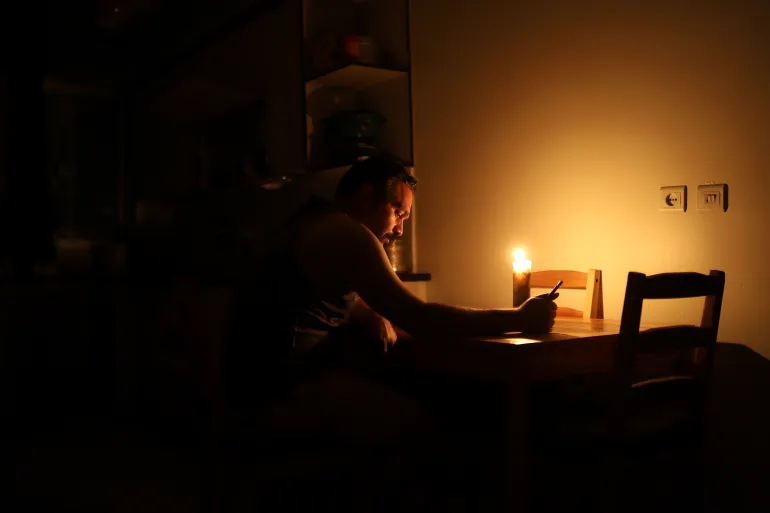
For Iranians, the changing seasons bring not just weather shifts but also recurring energy crises. Scorching summers are plagued by rolling blackouts, while freezing winters are marked by toxic smog from burning low-grade fuel in power plants. These challenges are symptomatic of Iran’s chronic electricity imbalance, a structural crisis that has evolved into a significant economic and public welfare burden. Despite a nominal installed capacity of 94 gigawatts, Iran’s power grid is in systemic decay. Aging thermal plants, over-reliance on natural gas, recurring droughts crippling hydropower, and soaring demand have created a persistent gap between capacity and reliable output. This crisis is further exacerbated by geopolitical isolation, which hampers access to international finance and technology. A comparative analysis reveals Iran’s underperformance in electricity generation, lagging behind industrial economies and even Gulf neighbors. To address this, a four-point recovery plan has been proposed, emphasizing international contracts, budgetary realignment, fuel mix reformation, and regional power exchange agreements. However, the success of these measures hinges on resolving Iran’s geopolitical standoff with the West, as domestic reforms alone are insufficient. Without a sustainable solution, Iran risks further economic isolation, technological backwardness, and continued degradation of public health and industrial competitiveness.