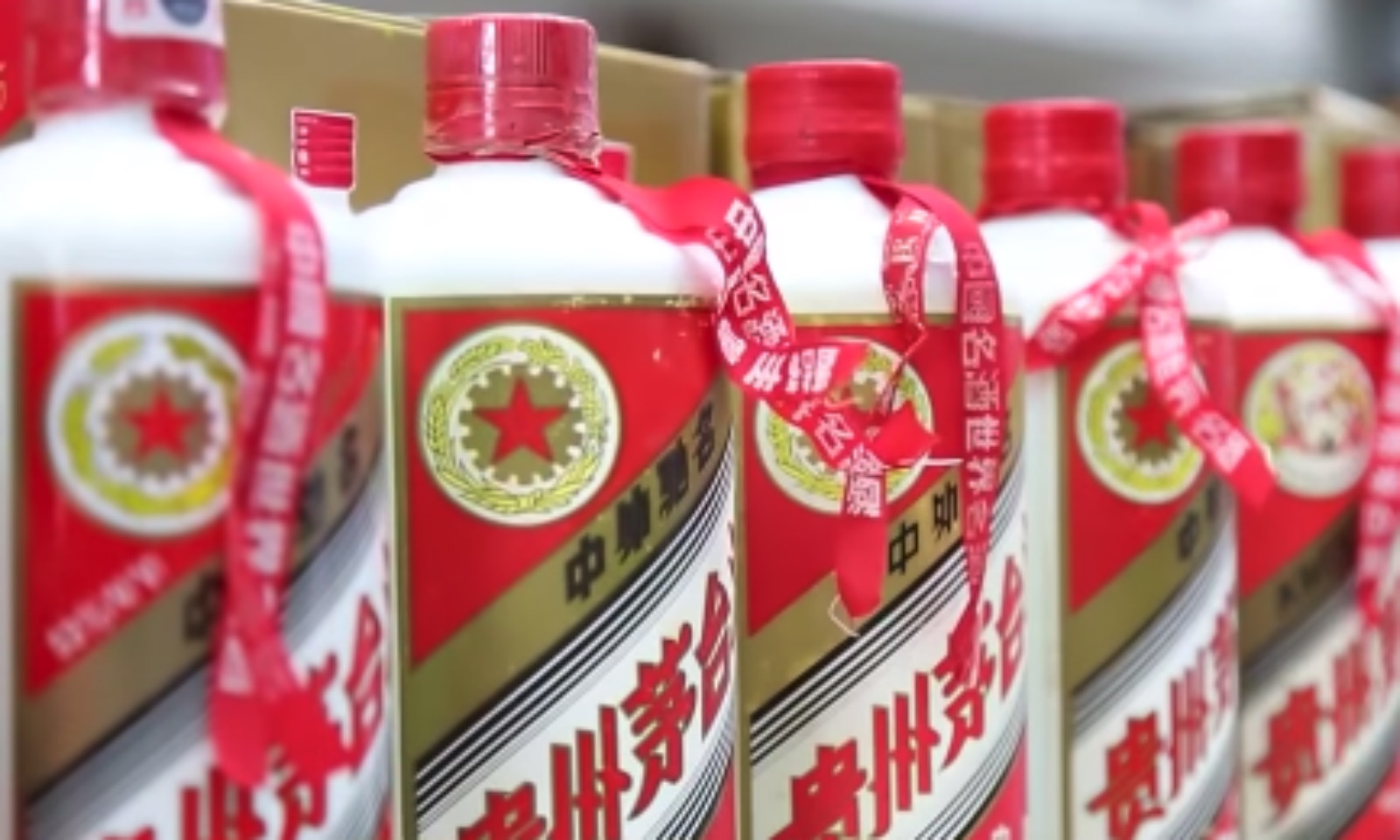
China is implementing a dual approach to transform its spirits sector, prohibiting civil servants from drinking at official events while encouraging the public to consume alcohol during family gatherings. This strategy aims to curb corruption and reduce public expenses while fostering a healthier drinking culture among citizens. The central government first introduced the alcohol ban for civil servants in 2012 to improve their public image and limit extravagant spending. However, many officials found loopholes, rescheduling drinking sessions to dinners or private gatherings, often funded by businesspeople offering expensive spirits as gifts. This practice led to corruption and disciplinary issues. A recent incident in Inner Mongolia highlighted the severity of the problem. Wei Shuanshi, a senior official, hosted a dinner where excessive drinking led to the death of a colleague from alcohol poisoning. The incident prompted stricter enforcement of the alcohol ban, with the State Council and the CCP Central Committee announcing new rules prohibiting civil servants from drinking or smoking during work-related events. Officials must now seek approval for meal receptions and avoid unnecessary private gatherings. The new regulations have impacted the spirits market, causing significant stock declines for major brands like Kweichow Moutai and Wuliangye Yibin. However, the rules have also been criticized for their overzealous implementation, with local governments penalizing even harmless social interactions, harming the catering industry. To address this, state media clarified the guidelines, distinguishing between corrupt practices and everyday social drinking. Analysts suggest that while the alcohol ban targets civil servants, younger consumers and the general public can sustain the spirits market. Brands are adapting by launching lower-alcohol products to appeal to younger drinkers. Despite a decline in spirits production, the industry has seen modest revenue growth, indicating resilience amid regulatory changes.