The concept of the open road has long been a symbol of freedom, adventure, and self-discovery, deeply ingrained in American culture. From iconic road songs like ‘Born to Be Wild’ and ‘Desperado’ to classic road films such as ‘Easy Rider,’ the highway has represented the ultimate pursuit of liberty. However, this narrative is no longer exclusive to the United States. China, with its rapidly expanding highway network of 190,000 kilometers—more than twice that of the U.S.—has embraced the allure of the open road, offering a new frontier for exploration and transformation.
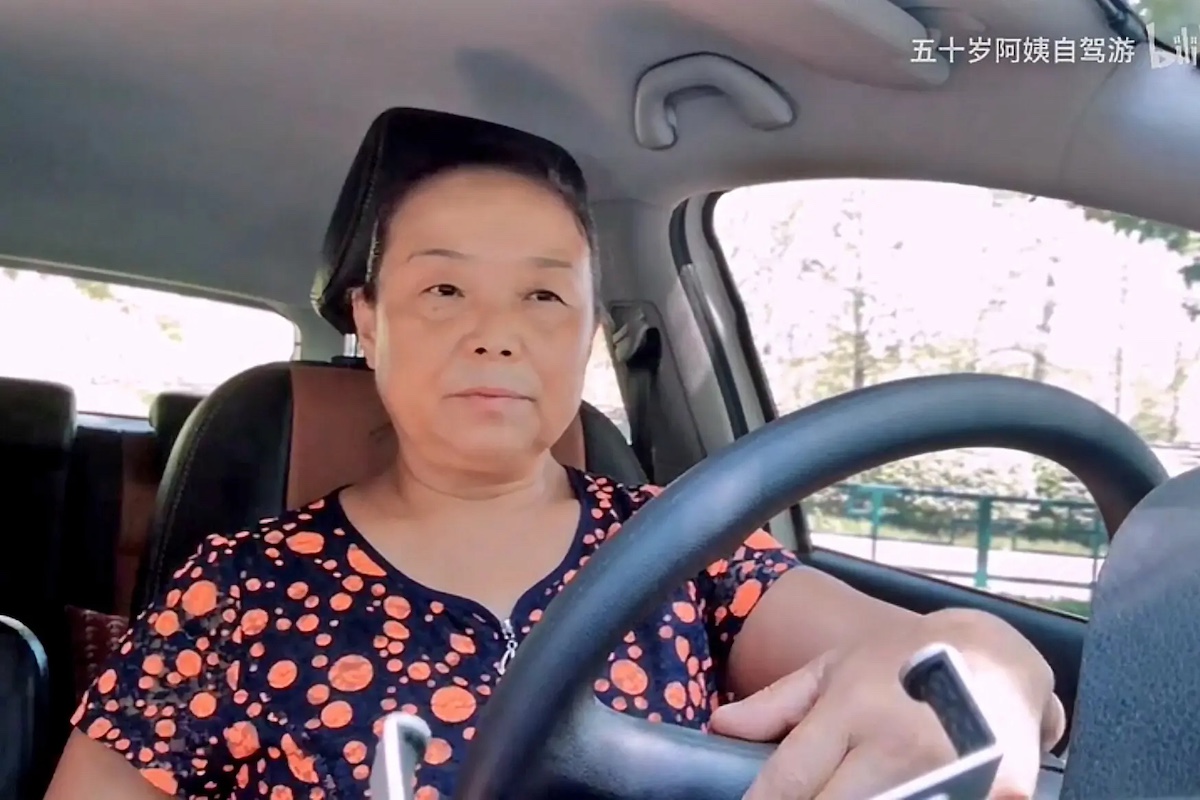
China’s highways, built over the past three decades, now host over 350 million vehicles, including 81 million motorcycles. This infrastructure has become a canvas for stories of personal liberation, exemplified by figures like Auntie Su Min, who abandoned a life of domestic drudgery to embark on a solo journey across the country. Her viral Douyin videos captured the hearts of millions, showcasing the freedom and beauty of China’s diverse landscapes. Su Min’s story, later adapted into the film ‘Like a Rolling Stone,’ highlights the evolving nature of freedom in China—a freedom earned through responsibility and resilience, rather than assumed recklessness.
Unlike the American road narrative, which often intertwines with themes of alienation, nihilism, and loneliness, China’s road culture is marked by a communal ethos and a supportive vibe. Travelers like Su Min find solace in the country’s advanced infrastructure, intelligent highways, and a genteel citizenry. The Chinese road experience is less about escaping societal constraints and more about rediscovering oneself within a connected and evolving society.
As China’s highways continue to beckon, they offer a unique perspective on freedom—one that contrasts sharply with the American ideal. While the U.S. road dog may grapple with the price of isolation, China’s road warriors find liberation in the collective journey, proving that the open road can mean different things in different cultures. The highways of China are not just pathways to physical destinations but also to personal and societal transformation.