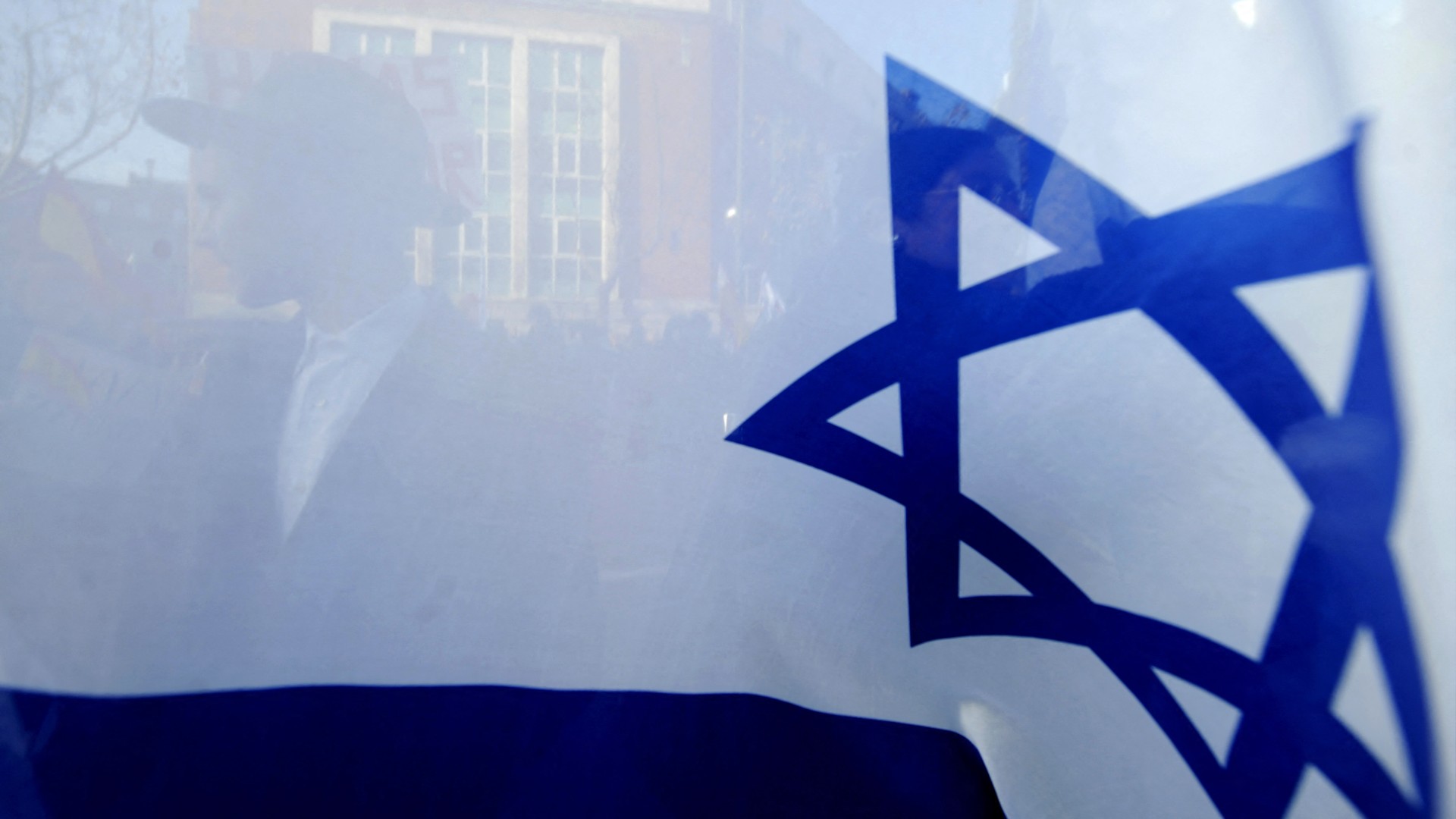
Residents of Hastings, a coastal town in southern England, were met with an unsettling sight on the morning of October 7: a nearly mile-long stretch of Israeli flags lining the seafront from Hastings Pier to the Marina near the town’s mosque. The display, which appeared on the second anniversary of the October 7 attacks in southern Israel, sparked immediate outrage and swift action from the community. The flags, which were hung overnight without authorization, were removed by local residents before authorities could intervene. The act was widely perceived as a deliberate provocation, given the ongoing conflict in Gaza and the town’s history of sanctuary and community solidarity. CCTV footage captured a figure stringing the flags between lampposts in the early hours of the morning. By sunrise, the display had become a focal point of heated discussion, with residents flooding local councillors with messages demanding answers. Councillor Yunis Smith of the Hastings Green Party confirmed that the flags were removed by residents themselves, reflecting a deep-seated frustration within the town. The incident has reignited debates about the use of public spaces for political messaging and the broader implications of rising nationalism in the UK. Hastings, known for its interfaith coalitions and refugee support networks, has long prided itself on being a sanctuary town. The community’s swift response to the flag display underscores its commitment to unity and resistance against divisive tactics. Sussex Friends of Israel later claimed responsibility for the stunt, but many residents viewed it as an attempt to exploit the Gaza crisis for political gain. The incident has further galvanized the town’s resolve to maintain its identity as a place of peace and inclusivity.