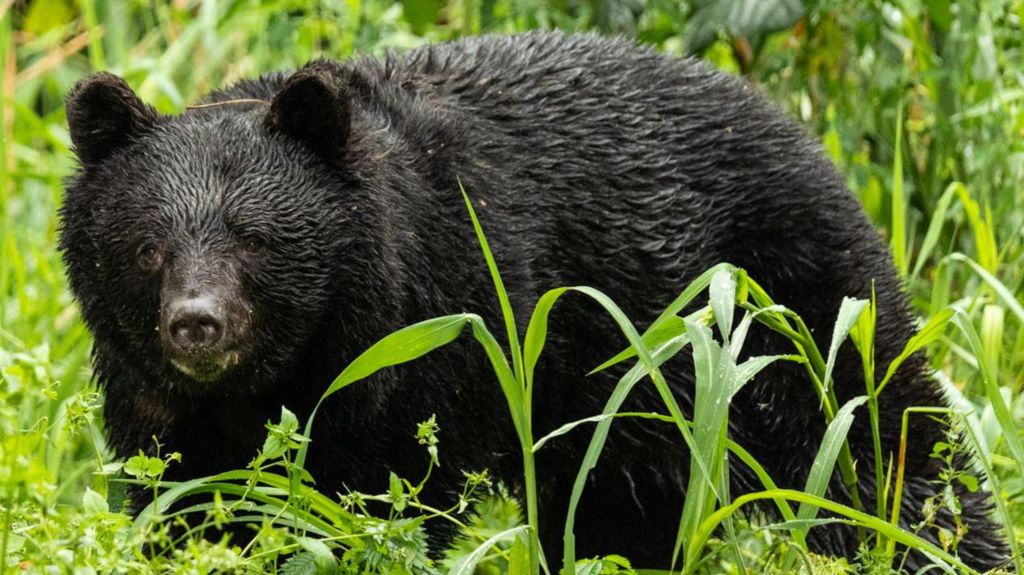
Japan is grappling with an unprecedented surge in fatal bear attacks, with the country’s environment ministry reporting seven deaths since April—the highest number since records began in 2006. The majority of these incidents have occurred in the northeastern regions and Hokkaido, where a 60-year-old man cleaning an outdoor hot spring bath has recently gone missing in what is suspected to be the latest bear-related tragedy. Experts attribute the rise in attacks to climate change, which has led to poor yields of beech nuts, a primary food source for bears, forcing them to venture into residential areas in search of sustenance. Additionally, depopulation in rural areas has exacerbated the issue, leaving fewer humans to deter wildlife. The ministry’s data reveals that this year’s fatalities have already surpassed the five recorded in the previous 12 months, with around 100 injuries reported so far. Recent incidents include a bear entering a supermarket in Numata, Gunma, injuring two elderly men, and a farmer in Iwate being attacked by a bear and its cub. The situation has raised alarms about the growing human-wildlife conflict in Japan, home to two bear species: the Asian black bear and the larger brown bear found in Hokkaido.