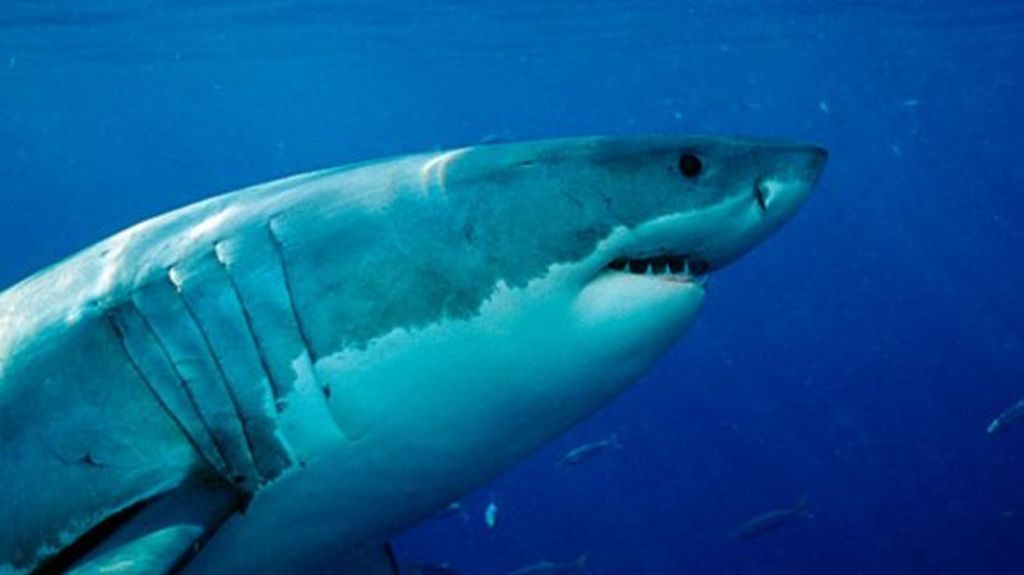
The ocean has always been a central part of Glen Butler’s life. A seasoned surfer for over five decades, the 61-year-old rarely worried about sharks until a recent tragedy shook his confidence. Last month, while surfing at Long Reef in Sydney’s northern beaches, his friend Mercury Psillakis was fatally attacked by a great white shark just minutes after Butler had exited the water. This incident has reignited a contentious debate about how to safeguard beachgoers in Australia, particularly in New South Wales (NSW), where shark nets are a widely used but controversial measure. These nets, deployed each summer, aim to reduce shark encounters but have drawn criticism from conservationists for their indiscriminate harm to marine life. Despite their limitations, many beachgoers view them as a necessary layer of protection. Australia, home to some of the world’s most iconic beaches, sees over 80% of its population living along the coast, making shark safety a pressing concern. While shark attacks remain rare, the country ranks second globally for such incidents, trailing only the United States. Recent years have seen an increase in shark sightings, attributed by some to warming oceans and changing marine behaviors. However, experts caution that heightened awareness and social media may amplify perceptions of risk. Alternatives to shark nets, such as drumlines, eco-barriers, and drone surveillance, are gaining traction, though funding constraints limit their widespread adoption. The tragic death of Psillakis has prompted authorities to reconsider the use of nets, but the fear of subsequent attacks has stalled progress. As Australia grapples with balancing human safety and marine conservation, the debate over shark mitigation strategies continues to evolve.